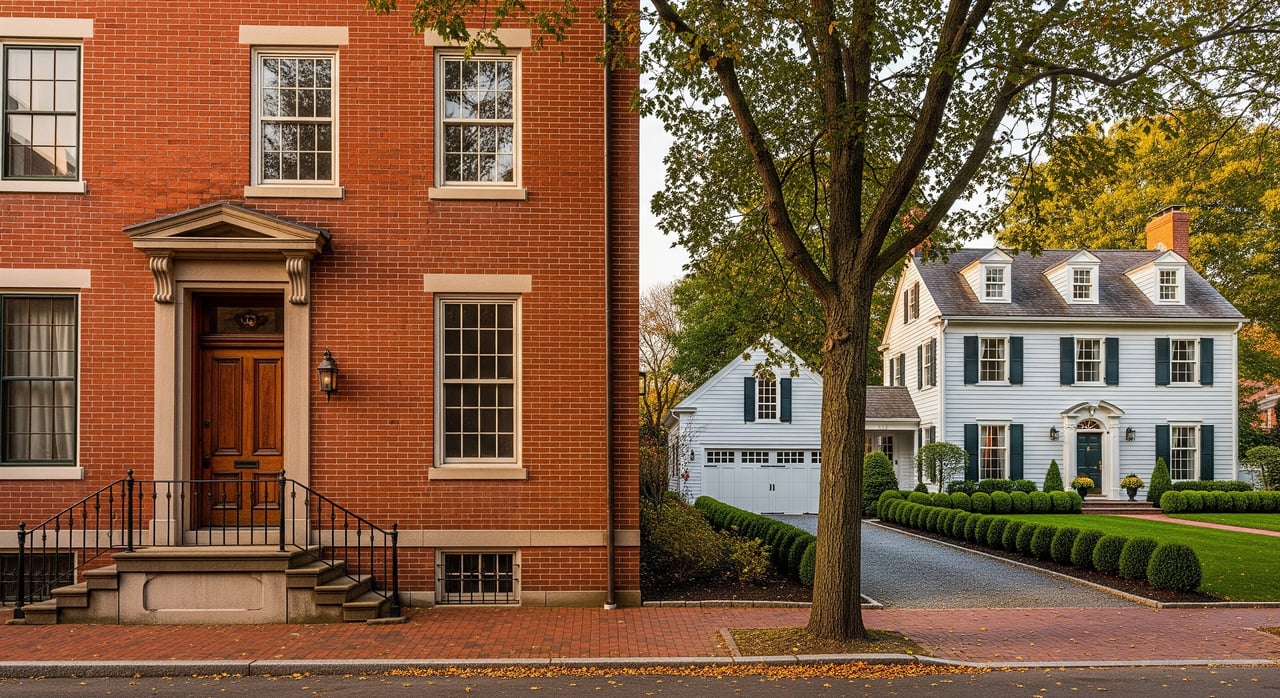
Thinking about selling a Lancaster City rowhome or a suburban single-family home and not sure how to price it? You are not alone. The same number of bedrooms can carry very different values depending on parking, lot size, and even which block you are on. In this guide, you will learn the key pricing drivers that separate Lancaster City rowhomes from suburban homes, how to choose the right comps, and what listing moves help you hit your target. Let’s dive in.
Lancaster City vs suburbs: what changes price
Pricing in Lancaster is neighborhood specific. Rowhomes in the city compete on walkability and interior efficiency. Suburban homes compete on lot size, garages, and finished living area. Knowing what your buyer values in each location is the starting point for a strong list price.
Housing stock and layout
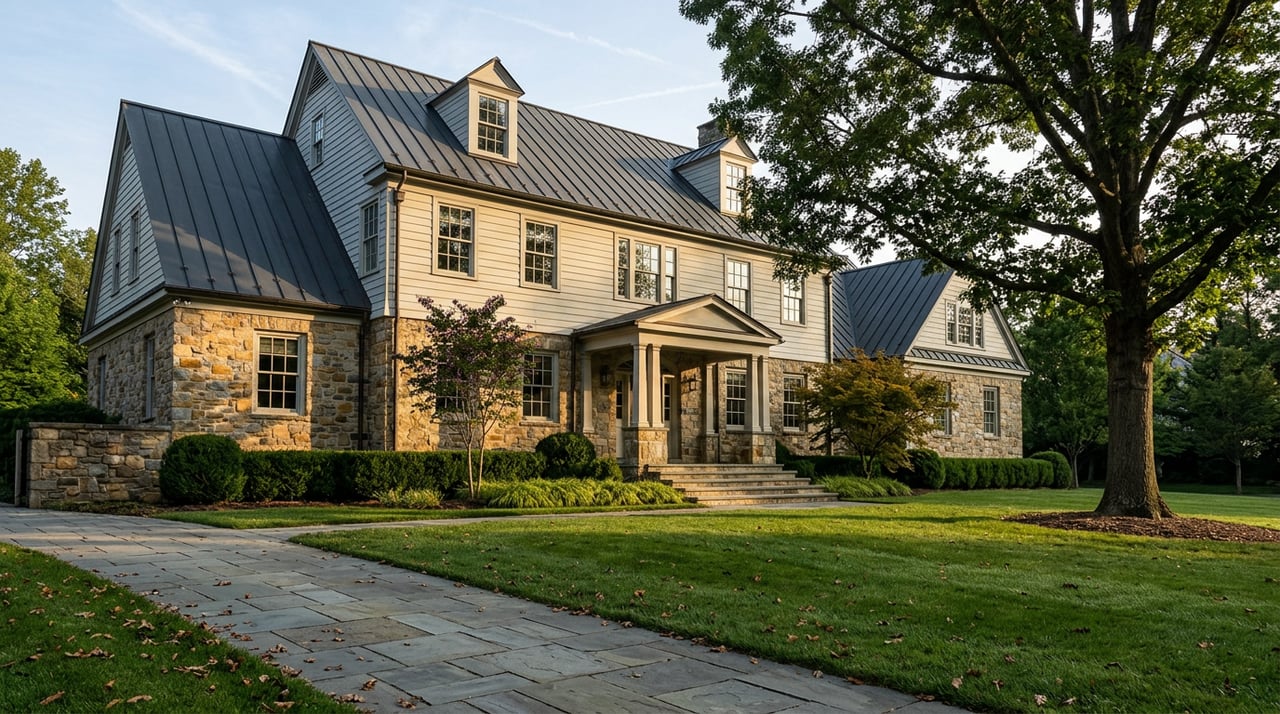
City rowhomes tend to be older, attached, and vertical, with shared walls and smaller yards. Suburban homes around Lancaster Township, Manheim Township, and East or West Hempfield are commonly detached on larger lots, often with driveways or garages. These structural differences shape what buyers are willing to pay for.
Buyer demand patterns
City buyers often prioritize walkable access to restaurants, arts, transit, and employment centers. Suburban buyers typically focus on lot size, garage or driveway access, and a sense of privacy. Commuting options like highway access and rail can affect both markets but may increase demand for convenience-focused city properties.
Price dynamics and seasonality
Rowhomes frequently trade on price per usable interior square foot, with location and walkability premiums. Suburban homes tend to price more on lot size, finished area, and garage capacity. Days on market and list-to-sale ratios can differ by area, so review current MLS data before finalizing a strategy.
The pricing drivers you cannot ignore
You get paid for what buyers value most in your segment. In Lancaster, the biggest levers often shift between rowhomes and suburban homes.
Parking and access
Parking type is a major price lever for city rowhomes. On-street only, a rear alley pad, or a dedicated garage can pull values in different directions. In the suburbs, garage and driveway access is often expected and already reflected in baseline pricing. For a CMA, document parking type, number of spaces, and whether it is deeded or assigned.
Outdoor space and lot
Lot size matters across the board but in different ways. Suburban buyers often prioritize usable backyards, patios, or pools. For rowhomes, even modest outdoor space can be a premium feature, especially if it is private, fenced, or improved with a patio or deck. Convert lot differences into practical buyer utility, then quantify where possible.
Renovation level and systems
Interior finish and system updates drive value for both property types. With older Lancaster rowhomes, upgrades to roof, HVAC, plumbing, electrical, and foundation can be costly and very meaningful to buyers. Properties in historic districts may have review requirements that shape renovation plans, which can influence pricing for buyers who prefer preserved character versus those who want extensive modernization.
Functional layout and square footage
Usable square footage is a core value driver. Rowhomes can live smaller if layouts are tight, kitchens are constrained, or bathroom counts are low relative to bedrooms. Ceiling height, natural light, and stair usability can also affect appeal, especially for downsizers. Capture these points in your CMA narrative, not just in raw numbers.
Condition and deferred maintenance
Older rowhomes can carry risks like dated wiring, lead paint, or unpermitted work, which can affect financing and offers. Suburban properties might show different common items, such as roof or HVAC age. Pre-listing inspections often reduce renegotiation and help you price with confidence.
Zoning and historic designation
Zoning can shape use, rental potential, and future expansion options. Historic districts carry specific review processes. Some buyers will pay for preserved character, while others may discount homes where modernization is limited. Confirm status and permitability before assuming value for updates or additions.
Taxes and operating costs
Effective property taxes differ by municipality and influence affordability and investor returns. Utility and insurance costs can vary as well. Your CMA should compare assessments and estimated operating costs so buyers and appraisers see the full picture.
How to build a Lancaster-perfect CMA
A strong CMA does three things: it defines the right market area, picks the best comps, and adjusts for what truly changes value.
Define the market area
For rowhomes, use a tight geographic focus, ideally the same block or within 0.25 to 0.75 miles. Micro-location and block face can matter a lot. For suburban homes, a broader 1 to 3 mile radius can be appropriate, but align neighborhood character and school district boundaries when applicable.
Choose the right time window
In active markets, aim for closed sales within the last 3 to 6 months. If inventory is thin, expand to 6 to 12 months and note market trend adjustments. Include pending and active listings to understand current pricing pressure and buyer alternatives.
Match on the highest priorities
When selecting comps, align on these attributes in order:
- Property type and construction, attached rowhome versus detached single-family
- Bedroom and bathroom counts, or adjust when they differ
- Finished square footage and functional layout
- Condition and renovation level
- Parking type and capacity
- Lot size and private outdoor space
- Historic designation or known restrictions
- Days on market and any seller concessions
Make market-based adjustments
Use measurable data for quantifiable items like square footage, bedrooms, and bathrooms, based on recent local sales. For qualitative differences such as parking or condition, apply percentage adjustments informed by local patterns in settled sales. In the city, off-street parking and private outdoor space commonly create noticeable premiums, so validate your ranges against current MLS data.
Handle rowhome-specific issues
Small layout differences in rowhomes can have outsized impacts. A missing full bath, steep stairs, or a tight kitchen can change buyer willingness to pay. Confirm that finished basements and conversions have permits, since appraisers may discount non-permitted work. If your target buyer is an investor, analyze investor comps separately from owner-occupant purchases, since rent expectations and cap rates shape those offers.
Document what matters in the CMA
For each comp, record sale date, sale price, days on market, price per finished square foot, lot size, bed and bath counts, parking type, renovation level, assessment, and any concessions. Add a neighborhood snapshot that covers price per square foot trends, inventory levels, absorption rate, and any known development that could affect values.
Listing strategy moves that support your price
Your prep and marketing choices should match how buyers value homes in each segment. The goal is to reduce friction for the next owner and highlight your property’s advantages.
Pre-listing repairs and prep
For rowhomes, focus on system items that often appear on inspections, including electrical, plumbing, roof, and moisture control. Fixing known issues up front can reduce risk-based discounts later. For suburban homes, curb appeal, landscaping, garage or driveway repairs, and sensible staging often deliver strong returns.
Parking and yard in your description
If you have deeded or off-street parking, quantify it clearly. Note the number of spaces and proximity to the home. Do the same for outdoor areas, such as a fenced yard, patio, or deck. If you lack off-street parking, consider pricing to match buyers who prioritize location and walkability over a dedicated space.
Renovation ROI decisions
Kitchens and bathrooms tend to generate the best buyer response. In rowhomes, updates to the first floor, lighting, and core systems can significantly improve livability without major structural changes. If the facade is historically significant, interior modernizations that respect character may bring stronger demand while keeping the permit path manageable.
Pricing tactics and buyer behavior
In tight inventory, slightly aggressive pricing can spark multiple offers. In slower conditions, precise pricing within common buyer search bands is critical. Consider price banding that positions you just below psychological thresholds to increase online visibility and showings.
Financing and appraisal prep
Choose comps that typical lenders will accept for conventional, FHA, or VA financing. If your property has non-standard features or shared elements, collect permits, invoices, surveys, and inspection reports now. A clean package supports both buyers and appraisers.
Negotiation planning
Decide ahead of time how you will handle inspection credits, appraisal gaps, and requests tied to parking or maintenance. If you expect investor interest in a city rowhome, plan your stance on closing timelines, rent-backs, and concessions. Clarity before listing makes for faster, more confident decisions.
Local data sources to use in your CMA
Use your MLS for closed, pending, and active comps, and to track days on market and list-to-sale ratios. Draw lot dimensions, assessed values, and parcel histories from county assessment and parcel records. Confirm zoning with the Lancaster City planning and zoning office and historic review requirements where applicable. Industry resources from the Appraisal Institute and the National Association of REALTORS can provide guidance on valuation approaches for attached housing.
How The Steve Hammond Team helps you price right
You want a pricing strategy that reflects Lancaster’s block-by-block realities and today’s buyer behavior. Our team combines neighborhood knowledge with modern tools to build a defensible price and a plan to achieve it. We deliver valuation consultations, concierge showings, video marketing, and broad MLS syndication across the region. For sellers who prefer privacy or speed, our Marco Polo off-market matching connects qualified buyers and sellers discreetly.
If you are considering selling a Lancaster City rowhome or a suburban single-family home, we will prepare a custom CMA, outline high-ROI prep, and recommend a list-price strategy that fits your goals and timeline. Ready to talk your price, your plan, and your outcome? Connect with Steve Hammond to schedule a free consultation.
FAQs
What is the biggest pricing factor for Lancaster City rowhomes?
- Parking availability and type, combined with usable interior square footage and walkability, tends to drive the largest price differences for city rowhomes.
How far back should I go for rowhome comps in Lancaster?
- Use sales from the last 3 to 6 months when possible, and expand to 6 to 12 months only if inventory is thin, then adjust for market trends.
How do historic-district rules affect a Lancaster rowhome’s price?
- Historic review can shape what renovations are feasible, which some buyers value and others discount, so confirm requirements before assuming upgrade-driven price gains.
What if my city rowhome has no off-street parking?
- Price with the on-street reality in mind, highlight location and interior value, and consider whether adding a rear pad is feasible and cost-effective before listing.
For suburban homes around Lancaster, how much does lot size matter?
- Lot size and usable outdoor space are core pricing drivers in the suburbs, especially when paired with garage capacity and finished living area.
How should I prepare for appraisal on a unique property?
- Select lender-acceptable comps, document permits and improvements, and provide a clear CMA with adjustments for qualitative features like parking and outdoor space.