Torn between small-town charm and city energy? If you are deciding between Lititz and Lancaster City, you are really choosing how you want to live day to day. Each offers walkable streets, history, and strong community, but the feel on the ground is different. By the end of this guide, you will understand the built environment, walkability, culture, commuting, and housing tradeoffs so you can choose with confidence. Let’s dive in.
How they feel on the ground
Lancaster City: Urban mix and density
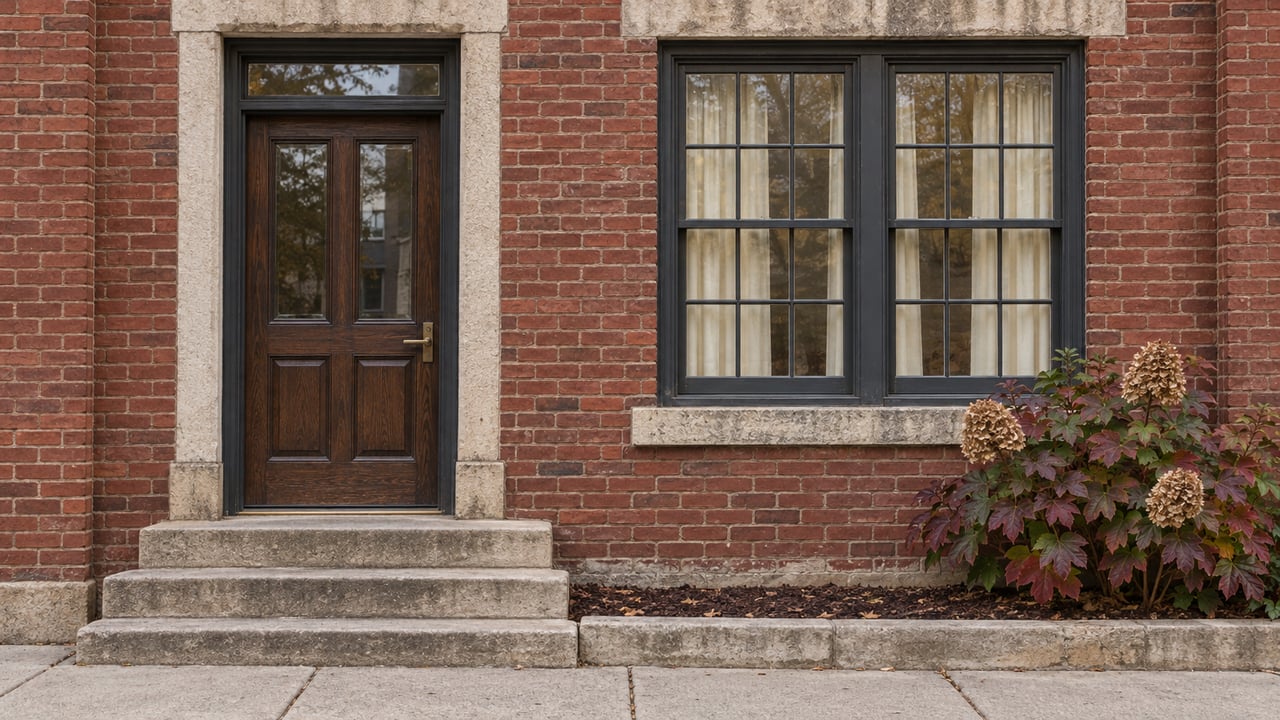
In Lancaster City, you will find an urban core with historic commercial blocks, apartments over storefronts, and a wide mix of rowhouses, twins, and small multi-unit buildings around Penn Square and North Prince Street. Multiple historic districts document a range of styles, including Italianate and Victorian, across the city’s center. You can explore that architectural mix in the city’s National Register historic districts. If you want compact blocks and a variety of attached homes, the city’s built form supports that lifestyle.
Lititz: Main Street with detached homes
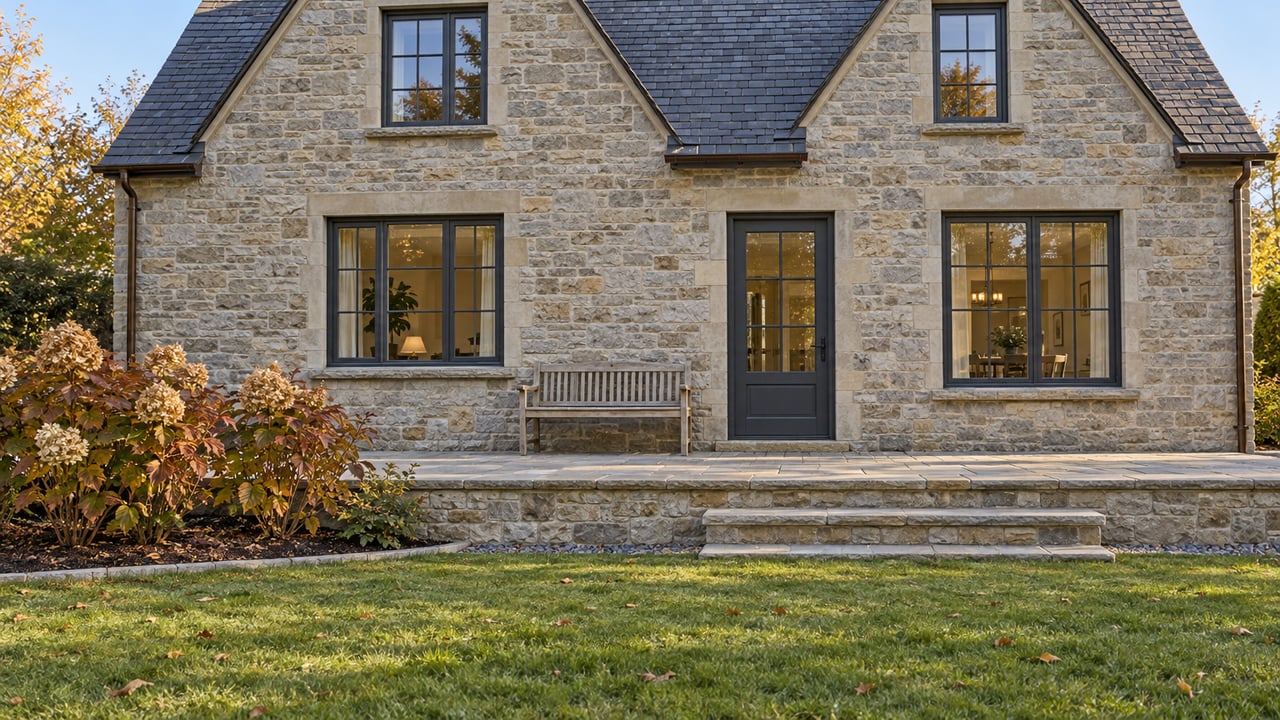
Lititz centers on a compact, historic Main Street around Lititz Springs Park, with a preserved Moravian town core and 18th to 19th century buildings. Learn more about the Lititz Moravian Historic District to get a sense of its heritage. Just outside downtown, neighborhoods shift quickly to mostly detached single-family homes on modest lots. If a small walkable core plus easier access to single-family options appeals to you, Lititz delivers that blend. Lititz sits about 9 miles north of Lancaster City, which keeps regional amenities close by while maintaining a small-town scale. You can get oriented with this quick overview of Lititz.
Walkability and daily errands
Lititz walkability
Central Lititz scores in the “Walker’s Paradise” range on Walk Score, with many downtown coordinates in the high 80s to 90s. That means you can do most errands and meetups on foot inside the core. Check a typical downtown reading on Walk Score for Lititz. Outside the village center, the borough shifts toward car-oriented streets, so you may still keep a car for larger errands while enjoying a very walkable Main Street lifestyle.
Lancaster City walkability
Lancaster City earns a citywide Walk Score around 81, rated “Very Walkable.” Neighborhoods in and around the Central Business District often climb into the 90s, which supports daily walking for dining, gallery visits, and errands. See the citywide picture on Walk Score for Lancaster. If you want broader, city-scale walkability with more blocks to explore, Lancaster offers that density.
Parks, markets, and public spaces
Lititz Springs Park and village greens
Lititz Springs Park sits at the heart of downtown, functioning as a community green and event space steps from Main Street. It anchors the small-town rhythm, with water features and pathways that make a simple stroll feel special. Get a feel for the space via the Lititz Springs Park site. The borough also maintains smaller parks and short trails that add to the village character.
Lancaster’s Central Market and urban parks
Lancaster’s public realm feels denser and more programmatic. The city’s historic Central Market near Penn Square is a lively anchor for local food, and the surrounding streets support an active arts corridor. Multiple parks dot the city, and ongoing planning supports bicycle and pedestrian improvements. If you enjoy a steady cadence of urban public life, Lancaster’s core will suit you.
Arts, dining, and evening life
Lancaster City after dark
Lancaster City has a concentrated cultural core with theatre, galleries, and a broad dining scene. The Fulton Theatre is a regional draw, and Gallery Row provides a regular arts pulse. Small venues and craft beer spots contribute to a more varied evening, especially if you prefer to walk from dinner to a show to dessert without getting in the car.
Lititz evenings and event rhythm
Lititz offers a compact cluster of independent shops, cafés, and restaurants along East Main Street, with a cozy, historic feel around the park. You will find a quieter nightlife overall compared to Lancaster’s center, with occasional peaks around festivals and special events. The town’s visitor-friendly retail and the presence of Rock Lititz add some unique texture. For many, this balance of calm evenings and event days is the appeal.
Commuting and transit
Buses, driving, and daily travel time
In both places, most people drive to work, and mean travel times sit in the low 20 minutes range. The Red Rose Transit Authority connects Lititz to Lancaster via Route 10, which links downtown Lititz with Lancaster’s Queen Street area and the Amtrak station. If you value a bus option for routine trips without driving every day, review the RRTA Route 10 schedule to see if it fits your routine. If you plan to rely on on-street parking near downtowns, check local rules and meters. Lititz publishes seasonal updates and maps for public parking, which you can find on the borough’s parking alerts page.
Rail access for regional trips
Lancaster’s Amtrak station on the Keystone Service provides frequent east–west trains to Harrisburg and Philadelphia, plus connections farther east. Typical trip times to Philadelphia can be around 1 to 1.5 hours depending on the schedule. If you need rail for day trips or occasional commuting, the station is a real advantage. Read about the hub at Lancaster Station.
Housing costs and ownership
Baseline values and tenure
Census QuickFacts provide a stable baseline for comparing housing across jurisdictions. In Lititz, the median value of owner-occupied homes is about $300,000, and the owner-occupancy rate is about 63.5%. In Lancaster City, the median value is about $220,000, and owner-occupancy is about 48.6%. You can verify the Lititz figures on Census QuickFacts and the Lancaster City figures on Census QuickFacts. These numbers suggest a stronger owner-occupied base and more detached homes in Lititz, with Lancaster City offering more attached and multi-family options.
What that means for you
If you prioritize a detached home with a yard near a walkable Main Street, Lititz tends to align with that goal. If you want a tighter urban block pattern, smaller lots, or a broader range of attached homes and multi-unit buildings, Lancaster City offers more variety. When you compare specific listings, remember that census medians are long-term baselines. Always look at current, date-stamped market data for real-time pricing and days on market as you enter the search.
Parking and driving patterns
Parking feels a bit easier in Lititz during many off-peak times, with metered streets and several public lots near the core. The borough’s seasonal parking maps and alerts are a useful reference for visits and showings, available on the borough’s alerts page. Lancaster City functions as a regional hub with higher traffic, multiple garages near Penn Square, and block-by-block rules. If you rely on on-street parking, confirm regulations on the exact block where you may live.
Quick buyer checklist
- Walk a block from a candidate home at midday and again from 6 to 8 pm. Are shops or restaurants open? Does the street feel lively enough for you?
- Drive your commute at a weekday peak and again at an off-peak time. Compare door-to-door times instead of relying only on averages.
- If you plan to use transit, confirm the RRTA Route 10 schedule and how it fits your hours.
- Check local parking rules. In Lititz, review the borough’s parking updates. In Lancaster City, note garages and street regulations near your target blocks.
- Compare home types. Expect more attached homes and multi-family options in Lancaster City, and more detached homes around Lititz. Use census baselines for context and current listing data for today’s pricing.
Which lifestyle fits you best?
Choose Lititz if you want a preserved Main Street experience with a calm evening pace, a central park, and strong access to detached homes. Choose Lancaster City if you want dense walkability across many blocks, a wider range of attached and multi-unit housing, and a deeper bench of dining and cultural options in easy walking distance. Both locations are close, so you can enjoy each other’s amenities with a short trip.
If you want help matching your wishlist with the right street and home type, we are here to make it simple. The Steve Hammond Team pairs deep Lancaster County knowledge with modern tools, concierge showings, instant valuations, and a proactive off-market matching system that finds homes before they hit the MLS. When the perfect fit is not obvious, we go out and source it for you.
Ready to compare neighborhoods or see options that match your lifestyle? Connect with Steve Hammond to schedule a free consultation.
FAQs
How walkable are downtown Lititz and Lancaster City?
- Central Lititz often scores in the high 80s to 90s on Walk Score and Lancaster City averages around 81 with downtown blocks in the 90s, which supports daily errands on foot in both cores.
What kinds of homes will I find in each place?
- Lancaster City offers many rowhouses, twins, and small multi-unit buildings near downtown, while Lititz shifts quickly to detached single-family homes outside its compact Main Street core.
Is there public transit between Lititz and Lancaster?
- Yes, RRTA Route 10 connects downtown Lititz to Lancaster’s Queen Street area and the Amtrak station, which is useful if you want a bus option for regular trips.
How do housing costs and ownership compare?
- Census baselines show Lititz with a higher median owner-occupied value and higher owner-occupancy rate than Lancaster City, indicating more detached inventory in Lititz and more attached and multi-family options in the city.
What cultural anchors should I know about?
- Lancaster City features the Fulton Theatre, Gallery Row, and Central Market, while Lititz centers on Lititz Springs Park, independent shops, and event-driven energy along East Main Street.