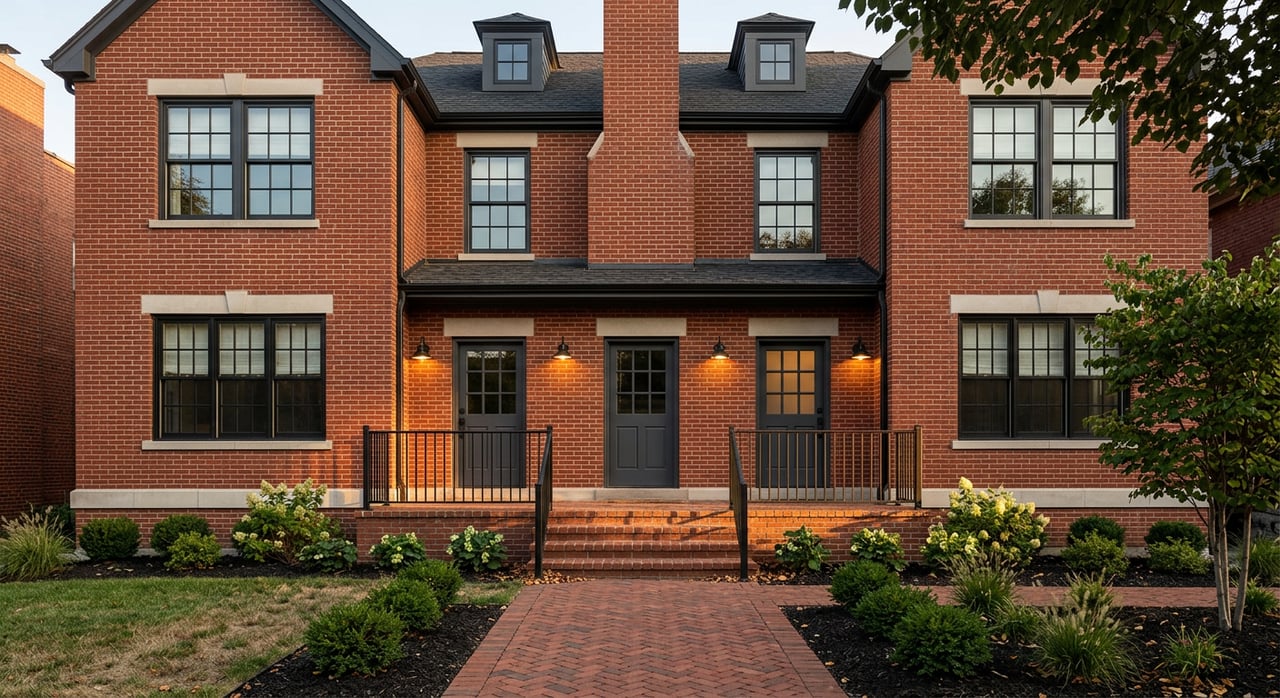
Thinking about buying a duplex, triplex, or fourplex in Lancaster? You are not alone. Many buyers want steady rent potential without taking on a big apartment building. The trick is knowing local rents, zoning, taxes, financing, and how to spot a winner fast. This guide gives you a Lancaster-specific playbook, from underwriting to sourcing deals, so you can move with confidence. Let’s dive in.
Why Lancaster small multis work
Lancaster’s renter base is supported by downtown amenities, healthcare and education employers, and steady tourism, which helps many neighborhoods maintain demand. Historic census profiles show rental vacancy in the low single digits, a signal of relative stability, though you should always verify current conditions on the block you are targeting (Lancaster overview).
Average asking rents have recently been reported in the mid-$1,400s per month as of early 2026, based on market indexes. Use this as a starting point, then pull bedroom-by-bedroom comps for your exact address and seasonality before you underwrite (Lancaster average rent trends).
For broader context as you think about tenant profiles and affordability, review the latest population and household income snapshots from Census QuickFacts for Lancaster city (Census QuickFacts).
What you will find in the city
You will see three common small-multifamily forms:
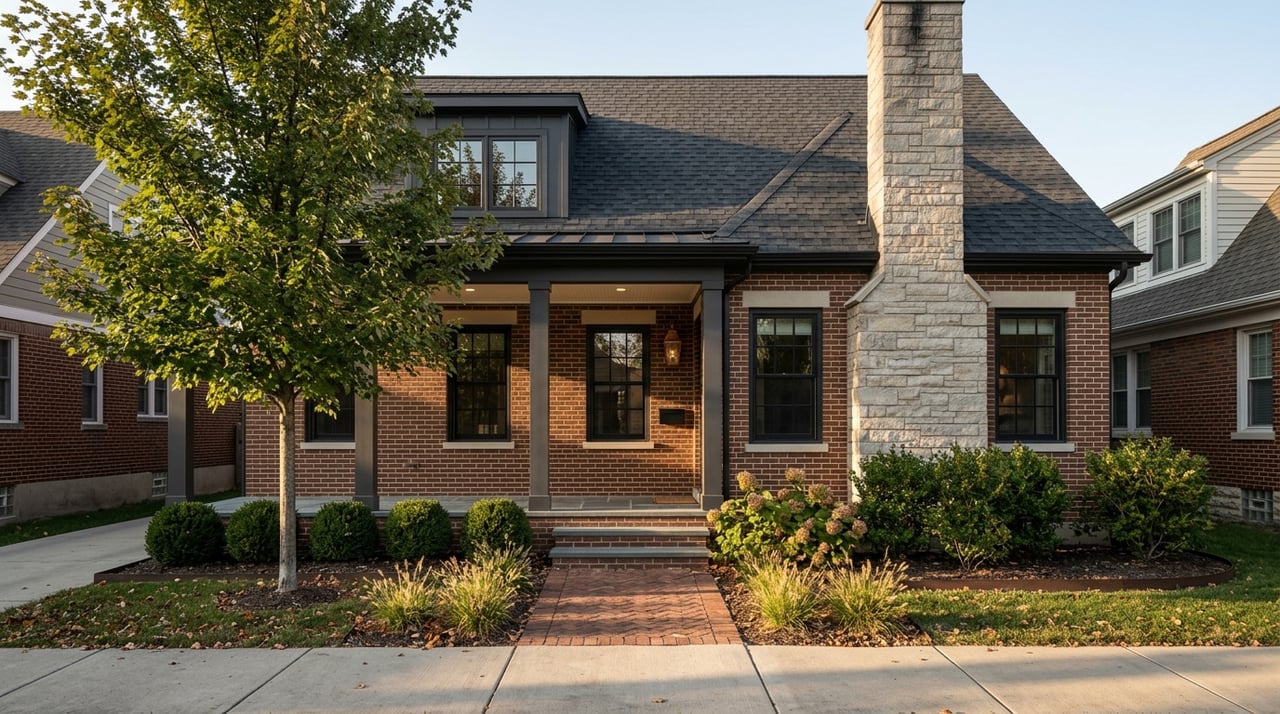
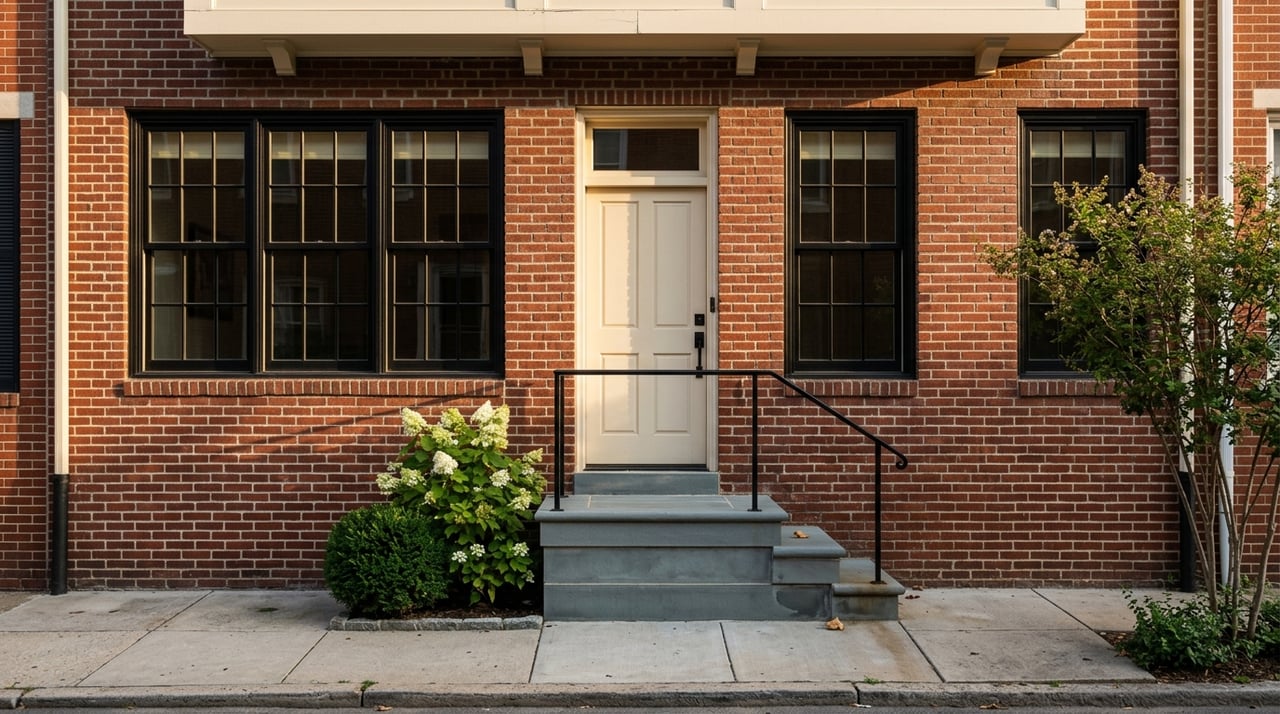
- Brick rowhouses and older single-family homes converted to duplexes or triplexes in central neighborhoods.
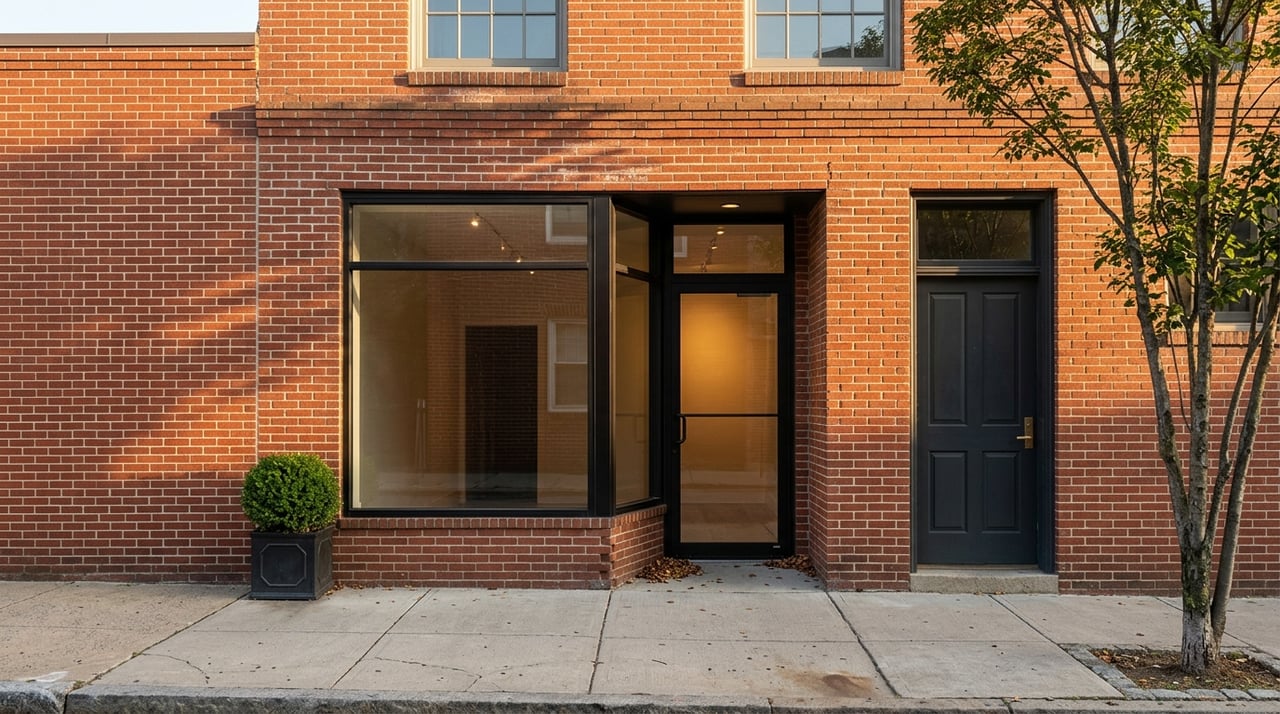
- Purpose-built 2–4 unit buildings near core commercial corridors.
- Townhouse clusters and garden-style complexes in nearby townships outside the city limits.
Lancaster’s zoning code outlines districts where two- and multi-family uses are common and details how conversions are handled. Parts of the city also fall within historic districts, which can add reviews for exterior changes. If you plan any rehab or reconfiguration, expect to follow building-permit and inspection requirements under the Pennsylvania Uniform Construction Code. Always confirm zoning, overlays, and permitting rules for the specific parcel on the city’s code site (Lancaster zoning and permitting).
Taxes and the upcoming reassessment
Property taxes combine city, county, and school district millages, so the effective rate depends on the exact municipality and school district for your property. Review how Lancaster calculates and bills taxes on the city’s Tax & Fees FAQ, and pull the current assessed value for your parcel when underwriting (City of Lancaster tax info).
Lancaster County has begun a county-wide reassessment with new values scheduled to take effect for the 2027 tax roll. Budget for potential changes to assessed value, monitor notices, and understand your appeal window as the reassessment progresses (County reassessment notice).
Underwrite a 2–4 unit fast
A quick, consistent framework helps you separate solid buys from time sinks.
Collect the right inputs
- Current rent roll, leases, deposit receipts, move-in dates, and tenant contacts.
- Market-rent check for each unit size using current listings and recent lease comps. Confirm asking vs achieved rents.
- Property tax bill, insurance premium, utility splits, and any HOA.
- Deferred maintenance and immediate capital needs from disclosures and a careful walk-through.
Run the quick math
- Gross Scheduled Income (GSI) = sum of in-place or market rents by unit.
- Effective Gross Income (EGI) = GSI × (1 − market vacancy). Use a conservative vacancy rate and verify locally.
- Operating expenses = taxes + insurance + owner-paid utilities + maintenance + management + reserves. Expense ratios often run higher than single-family.
- Net Operating Income (NOI) = EGI − operating expenses.
- Value sense-check = NOI ÷ your target cap rate from local comps, or use sale comps/GRM. If financing, confirm Debt Service Coverage Ratio (DSCR) against realistic mortgage terms.
Financing choices that move the needle
- Owner-occupied conventional: Recent updates allow qualified buyers to purchase 2–4 unit properties with as little as 5 percent down when one unit will be your primary residence. Always confirm eligibility and pricing with your lender (industry coverage of 5% option).
- FHA: Owner-occupied 1–4 unit purchases can qualify with low down payments, subject to occupancy and property rules. Review the FHA Single Family Housing Policy Handbook and speak with a lender about specifics (FHA Handbook 4000.1).
- Investor loans: Expect higher down payments and DSCR or income-seasoning requirements. Ask lenders about portfolio and DSCR products if you will not occupy a unit.
Legal checks before you close
- Verify the legal unit count and certificates of occupancy for each unit.
- Check for open code violations, outstanding permits, and unresolved housing complaints.
- If tenant-occupied, follow Pennsylvania landlord-tenant law on deposits, notices, and returns. Security deposit rules are spelled out in state law and summarized here (PA security deposit guidance).
Where to find deals in Lancaster
- MLS: Most 2–4 unit properties show up on the MLS with photos, tax data, and history. Ask your agent to run sold comps specific to small multifamily and to pull the property’s prior listing history.
- Off-market: Pocket listings, office exclusives, investor networks, and direct outreach can surface properties before they hit the MLS. Today’s Clear Cooperation policies limit how widely an off-market listing can be advertised, so these opportunities often move through relationships and controlled channels. Learn how pocket listings and Clear Cooperation work so your expectations are realistic (background on pocket listings and policy).
At The Steve Hammond Team, we work buyer-side and proactively source properties that fit your criteria. Our private off-market matching uses quick video and direct owner outreach to connect you with homes others miss. It is a discrete, relationship-driven process that complements the MLS, not a public listing portal. If you want first look access and fast follow-through, we can help you move early and with confidence.
Neighborhood due diligence checklist
- Confirm legal unit count. Watch for unpermitted basement or attic conversions.
- Map proximity to major employers and transportation, and note any noise or industrial corridors that may affect rentability and pricing.
- Check for historic or conservation overlays that could add time and cost to exterior work (Lancaster zoning and historic references).
- Drive the block at different times of day. Compare achieved rents and days-on-market for similar units within a half mile.
Questions to ask your team
Lenders
- What loan products do you offer for owner-occupied 2–4 units vs investor purchases, and what are the minimum down payments and max LTVs?
- Can you use projected rents or only in-place rents, and what vacancy and expense assumptions do you underwrite?
- What reserves do you require, and do you need prior rental income history? What DSCR threshold applies for investor loans?
Contractors
- Are you licensed in this municipality, and who will pull permits? Which trades will be subcontracted?
- Can you provide a prioritized scope for safety, structure, mechanicals, roof, electrical, and plumbing, with a written estimate and timeline?
- Do you have experience with multi-unit conversions and historic-district work? How do you handle lead or asbestos in pre-1978 buildings?
- What is the payment schedule, do you provide lien waivers, and what warranty do you offer on work?
Tax professionals
- Should I buy personally or in an LLC, and what local tax issues apply in Lancaster city versus nearby townships?
- How will depreciation, passive-activity, and at-risk rules affect this purchase? What should I know about 1031 exchanges for a future sale?
- How might the 2027 county reassessment change my projected tax liability, and what are my options and timing to appeal? (County reassessment details)
Ready to explore small multi-unit options in Lancaster with a local partner who can source on and off the MLS, run the numbers, and move quickly? Schedule a free consultation with Steve Hammond and get a clear plan for your next step.
FAQs
What are typical Lancaster rents for 2–4 units?
- As of early 2026, market indexes show average asking rents in the mid-$1,400s per month. Always verify with current listings and recent lease comps for your exact unit size and neighborhood (Lancaster rent trends).
How do Lancaster property taxes work on small multis?
- Taxes combine city, county, and school district millages. Use the city’s Tax & Fees FAQ to understand millage components, then apply the parcel’s assessed value to estimate your bill (City tax info).
What is the 2027 county reassessment and why does it matter?
- Lancaster County’s reassessment will reset assessed values effective for the 2027 roll. Plan for potential changes to your tax bill and watch for appeal timelines as notices are issued (Reassessment notice).
Can I buy a Lancaster triplex with a low down payment if I live in one unit?
- Many owner-occupants can finance 2–4 units with lower down payments through conventional programs that now allow as little as 5 percent down for qualified borrowers, or through FHA with typical 3.5 percent down. Confirm eligibility, pricing, and property rules with your lender (5% conventional coverage, FHA handbook).
How do I confirm a duplex or triplex is legally a multi-unit?
- Pull the property’s zoning and permit history, verify the certificate of occupancy for each unit, and check for open violations with the city before you close. Lancaster’s code site is the starting point for parcel-specific rules (Zoning and permitting).
What does “off-market” really mean under Clear Cooperation rules?
- Clear Cooperation limits how and when agents can publicly market listings outside the MLS. Off-market deals often move privately as office exclusives or through direct relationships, so working with a well-connected local team helps you see opportunities early (Pocket listing background).