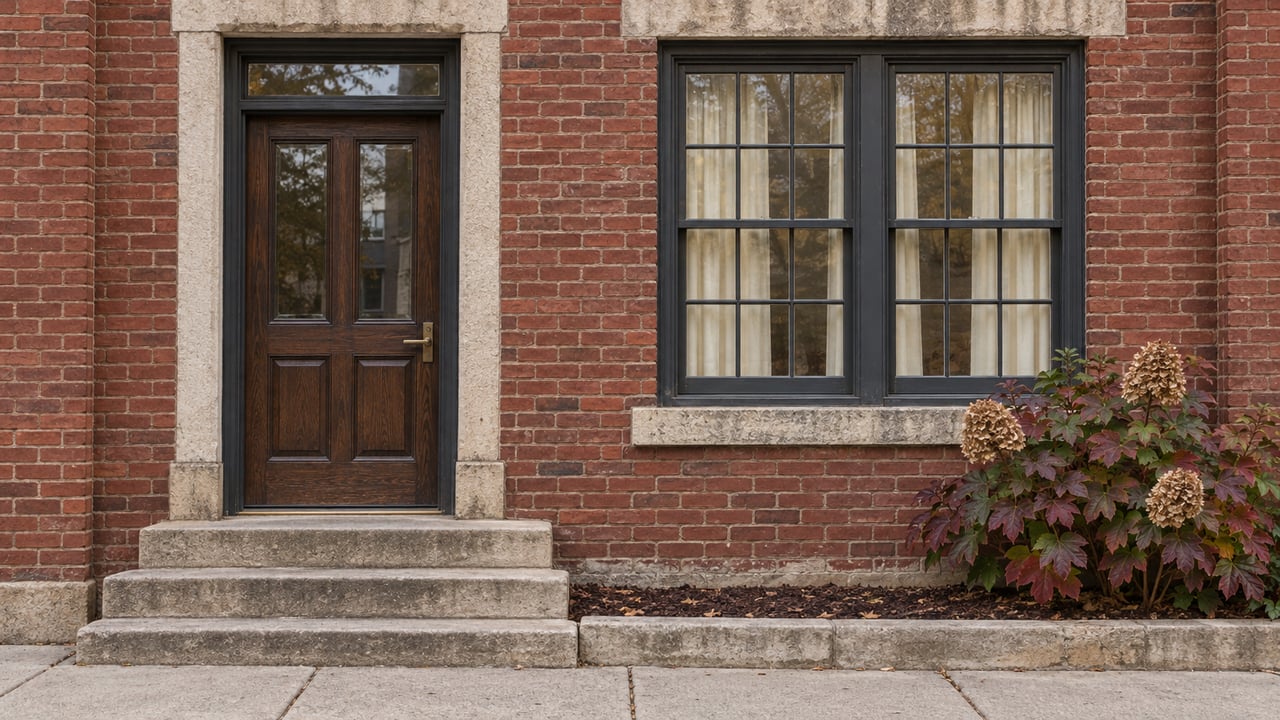
Worried appraisal day could throw a last-minute wrench into your sale? That concern is common, especially when you are already juggling showings, negotiations, and moving plans. The good news is that you can take a few practical steps to make your Elizabethtown home easier to evaluate and reduce avoidable surprises. Let’s dive in.
What an appraisal means for your sale
A home appraisal is a formal opinion of value, not an informal estimate. In Pennsylvania, appraisers are regulated by the state, and for federally related transactions they must follow professional standards under USPAP, according to the Pennsylvania State Board of Certified Real Estate Appraisers.
It also helps to know what an appraisal is not. The Consumer Financial Protection Bureau explains that an appraisal and a home inspection serve different purposes, even though repair issues can affect both the transaction timeline and the lender’s requirements.
For sellers in Elizabethtown, there is no special borough-specific appraisal rule to memorize. The bigger factors are your home’s condition, the site, its features, and the comparable sales the appraiser uses to measure market value.
What appraisers usually review
A helpful way to think about appraisal day is to focus on the same areas used in the appraisal process. Fannie Mae’s appraisal framework centers on the subject property, neighborhood, site, improvements, condition and quality, and comparable sales.
That means the appraiser is not just walking through your house and giving a quick opinion. The report is meant to provide a clear and accurate description of the property and compare it to the best market evidence available.
Site and location details
The site itself matters more than many sellers realize. Fannie Mae notes that appraisers may review factors like street access, whether the street is typical for the area, and whether the property is in a FEMA Special Flood Hazard Area.
In practical terms, that means your lot, access, and overall setting can influence both value and marketability. You cannot change those factors before appraisal day, but you can make the property easy to observe and understand.
Home condition and improvements
The appraiser also documents your home’s physical improvements and current condition. Fannie Mae requires a clear, detailed, and accurate description of the improvements, including repairs, extra features, and modernization.
Visible updates can help the appraiser understand how your home compares to other recent sales. If you have replaced windows, updated HVAC, renovated a kitchen, or made other meaningful improvements, those details are worth organizing ahead of time.
Comparable sales in Elizabethtown
Comparable sales, often called comps, are a key part of the value conclusion. Fannie Mae explains that sales from the same market area are preferred when available, but competing-market sales may also be used if they are the best option and are explained in the report.
For a market like Elizabethtown, that matters. If there are limited recent sales that closely match your home, the appraiser may need to look beyond the immediate block or neighborhood to find the best available comparisons.
How to prepare your home before appraisal day
The goal is not to make your house look perfect. The goal is to make it easy to assess, clearly maintained, and well documented.
Clear access throughout the home
One of the simplest steps is also one of the most important. Make sure the appraiser can move through the main living areas, basement, garage, utility spaces, and exterior without obstacles.
A clutter-free layout helps the appraiser see the home’s condition and features clearly. This lines up with Fannie Mae’s emphasis on factual observation and accurate property description.
Fix small, visible issues
Take care of obvious maintenance items if they are safe, realistic, and affordable to finish before the appointment. Fannie Mae lists examples such as minor plumbing leaks, cracked window glass, holes in window screens, missing handrails, and worn finishes.
Some of these issues may be considered minor, but only if they do not affect safety, soundness, or structural integrity. If a condition raises bigger concerns, the appraisal could be made subject to repairs.
Gather an update packet
A simple information packet can be very useful. Include:
- A list of updates and repairs
- Approximate completion dates
- Who completed the work
- Copies of invoices, permits, warranties, or final approvals you already have
- Notes on energy-efficient upgrades like windows or HVAC improvements
This matters because Fannie Mae says lenders must disclose known information about the property to the appraiser, and the appraisal report should clearly describe improvements.
Document additions and major remodels
If you added living space or completed a major remodel, paperwork matters. Fannie Mae states that when an appraiser identifies an addition without a required permit, the appraiser must comment on the work and its impact, if any, on market value.
That does not mean every project becomes a problem. It does mean you should gather any available permit and approval records before appraisal day so the appraiser has a clearer picture of the home.
FHA appraisals may be more repair-sensitive
If your buyer is using FHA financing, condition issues can matter even more. HUD requires the property to be safe, sound, and secure, and says defective conditions that cannot feasibly be corrected can lead to rejection.
That is why visible repair items deserve extra attention in an FHA deal. A home that may move forward under a conventional loan could still receive repair conditions in an FHA transaction.
What not to do on appraisal day
Preparation helps, but independence matters too. Fannie Mae’s Appraiser Independence Requirements prohibit attempts to influence the appraiser’s value conclusion.
That means it is best to be polite, helpful, and available for questions without trying to steer the outcome. You can provide factual information about updates, permits, and features, but you should avoid pressuring the appraiser or arguing for a target number.
Focus on comparability, not perfection
Many sellers assume appraisal day is about impressing someone. In reality, it is more about helping the appraiser understand how your property compares to the market.
In Elizabethtown, that often means reducing avoidable defects, presenting the home clearly, and documenting work you have completed. As Fannie Mae notes about comparable sales, the appraiser is trying to match your home with the best available market evidence, not reward cosmetic polish alone.
If repairs come up, the sale can still move forward
An appraisal issue does not always mean the deal is dead. The CFPB explains that when major repair concerns are identified, the lender may require repairs before closing or ask for funds to be set aside for post-closing work, depending on the loan type and contract terms.
That is why early preparation matters. The fewer surprises you leave for appraisal day, the easier it is to keep your sale on track.
If you are preparing to sell in Elizabethtown and want practical guidance on pricing, prep, and timing, Steve Hammond is here to help with clear advice and responsive local support.
FAQs
What should I fix before an appraisal in Elizabethtown?
- Focus on safe, realistic repairs that improve how clearly the home is observed and reduce visible issues, such as minor leaks, cracked glass, missing handrails, or similar maintenance items that could raise condition questions.
How is a home appraisal different from a home inspection in Pennsylvania?
- An appraisal is a formal opinion of value for the lender, while a home inspection is a separate review of the property’s condition; both can affect the transaction, but they serve different purposes.
Do Elizabethtown homes have special local appraisal rules?
- No specific borough-only appraisal rule is noted in the research provided; the same Pennsylvania standards apply, with value shaped by the property’s condition, site characteristics, and comparable sales.
What documents help with a home appraisal in Elizabethtown?
- A list of updates, dates of work, invoices, permits, warranties, and information on major improvements or energy-efficient upgrades can help the appraiser understand the property more clearly.
Are FHA appraisals stricter for Elizabethtown sellers?
- FHA appraisals can be more sensitive to visible repair issues because HUD requires the property to be safe, sound, and secure, which may lead to repair conditions that would not appear in some conventional loans.