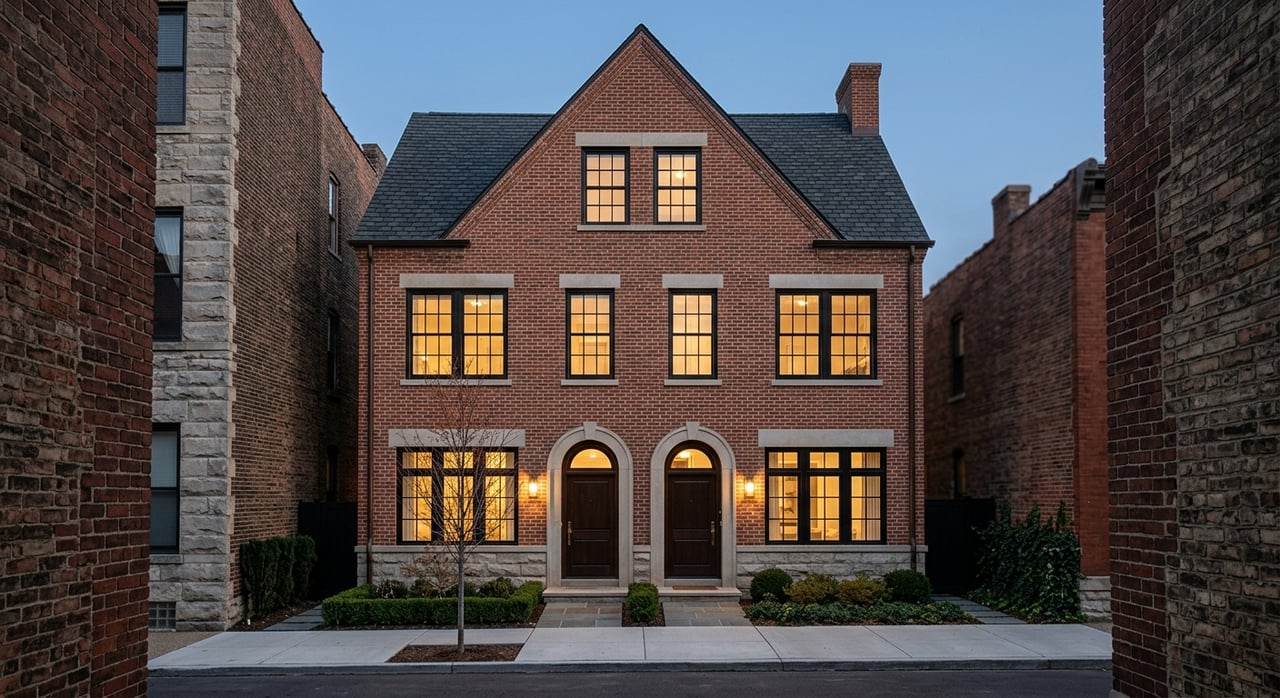
Got a small lot in Lancaster City and wonder how to turn it into a real deal? You are not alone. Infill and pocket sites can be great opportunities, but only if you present clear rights, limits, and a path to approvals. In this guide, you will learn the exact checks, visuals, and steps that help investors and small builders say yes faster. Let’s dive in.
Know the rules first
Before you visit the site, open the City’s official map viewers. The City zoning, historic district, and SALDO approvals layers live on the Planning Maps & Resources hub. Start there to confirm zoning, past approvals, and whether any overlays apply. Use these as your base map for everything you publish. You can find them on the City’s Planning Maps & Resources page.
- Zoning permissions: Lancaster’s Zoning Ordinance, Chapter 300, sets what you can build by right, by special exception, or by conditional use. The Table of Permitted Uses (Attachment 2) is the reference for which residential types are allowed in each district, including small multifamily and apartment-over-commercial in several zones. Review the City’s Table of Permitted Uses in Attachment 2.
- Dimensional limits: Unit counts and building size depend on minimum lot area, setbacks, coverage, and height. Those numbers live in the Height, Area, and Bulk tables. If you publish a unit count, cite the exact table and page. See the Height, Area, and Bulk Regulations in Attachment 3.
- Parking, conversions, and ADUs: Off-street parking and conversion rules are in Chapter 300, Article VIII. If you plan to market a conversion or an ADU scenario, cite the parking requirement and note the City’s current work to streamline ADUs as signaled in its PRO-Housing draft application. Review Chapter 300, including Article VIII, and see the City’s PRO-Housing draft.
- Historic and heritage overlays: Exterior work visible from the street inside the Historic or Heritage Conservation District typically needs HARB review and a certificate of appropriateness. Treat HARB as a schedule and design variable until the path is confirmed. See the Historic District section of Chapter 300.
- Floodplain and stormwater: Check FEMA and City floodplain layers early. The City’s SALDO requires stormwater management plans for land development, which can affect your buildable area and costs. Start with the City’s Floodplain Review guidance.
- Subdivision and land development: Small infill can sometimes use “no-impact” or “minor” plan routes under the City’s SALDO, which can shorten the calendar. Confirm this during a pre-application conference and document the basis in your packet. See SALDO Chapter 265.
Build a clear, one-glance site packet
Your goal is to help a buyer answer three questions fast: Can I build it, what are the hard constraints, and does the math work? Use the pieces below.
Page 1: Site and zoning snapshot
- Parcel fact sheet: Address, parcel ID, owner, assessed value, lot size, dimensions, frontage, current use, tax status. Pull from the County’s parcel system. Reference Lancaster County’s Property Search.
- Zoning summary: District, permitted residential uses with a citation to Attachment 2, dimensional highlights with a citation to Attachment 3. Note overlays like Historic/HARB or floodplain, and SALDO pathway assumptions. Link back to the ordinance citations on the page.
Page 2: Constraints and buildable area
- Constraints map: Floodplain extent, visible utilities and curb cuts, easements and rights-of-way, tree canopy, and any notable slopes. Note that stormwater management under SALDO may reduce buildable area or require mitigation. Show a hatched “net buildable” diagram after setbacks and constraints.
Pages 3–4: Precedents and pricing context
- Nearby approvals: Use the City’s SALDO approvals viewer to find recorded plans for similar small projects, then include photos or plan excerpts as design precedents.
- Market context: Add a simple trend note to support rents or sale pricing. For demographics and median rent, cite U.S. Census QuickFacts for Lancaster City. See Census QuickFacts for Lancaster City.
Pages 5–6: Concept massings
- Two to three options: A townhouse row for narrow lots, a stacked duplex or small four-unit, and an ADU or live/work option if the zone permits. Label unit counts, typical unit sizes, parking layout, and building height in relation to the zone limits. Cite the Height, Area, and Bulk tables for every numeric claim. Use Attachment 3 for dimensions.
- Historic context: If inside a historic overlay, present a compatibility sketch that addresses height, rhythm, and materials. Flag HARB review as a potential schedule driver.
Page 7: Pencil pro forma
- Keep it simple: Acquisition, hard cost per unit, soft costs and entitlements, conservative rent or sale price per unit, and a basic yield range for likely exits. Note any line items that could change with approvals, such as structured parking or stormwater operations.
- Cite your sources: Reference your Census QuickFacts data and any local approvals or comps you used to justify assumptions. See Census QuickFacts for Lancaster City.
Approvals and timeline strategy
A simple workflow keeps you on track: pre-application, site audit and massings, choose minor or full plan path, community or HARB meetings if needed, permits, build.
- Use pre-application conferences: SALDO provides for pre-application or sketch plan steps. Meet with Planning staff to confirm whether a minor or no-impact plan applies, and what utility, fire access, or stormwater comments you should expect. Reference SALDO Chapter 265.
- Try the minor or no-impact path when eligible: Some small conversions or modest infill may be excluded from full land development, which can cut months from your timeline. Document the SALDO basis in your packet so buyers can rely on it. See SALDO Chapter 265 guidance.
- Historic district path: Exterior changes that are visible typically require HARB review and a certificate of appropriateness, and new construction or demolition may include City Council steps. Flag this clearly in your calendar assumptions. Review the Historic District section of Chapter 300.
- Policy momentum: The City’s PRO-Housing draft points to updates that could streamline ADUs and adjust land-use rules. Treat it as a signal, and confirm any final ordinance language before you publish numbers. Read the City’s PRO-Housing draft.
- Common cost and time drivers: Off-site utility extensions and laterals, stormwater BMPs and long-term O&M, historic-compatible materials, required off-street parking if not waived, and SALDO inspections and fees. Note these as contingencies in your pro forma.
Investor outreach and listing channels
Choose channels that match the site’s likely buyer and exit.
- Build-to-sell townhomes or condos: Use local MLS plus specialized new-build outreach. Always include a one-page entitlements summary with the listing.
- Small multifamily or mixed use: Target local multifamily investors and regional small-developer lists. Share your zoning page, massings, and pro forma up front.
- Distressed or assembly opportunities: Consider public partners. The Lancaster County Land Bank Authority and related redevelopment entities can acquire, hold, and transfer properties for redevelopment. Review the Land Bank Authority programs.
Positioning tips that boost value
Small sites win when you make the path obvious and the risk small.
- Lead with by-right: Put the by-right status in the first sentence of your packet, and cite the exact ordinance table and section. For example, reference Attachment 2 for permitted uses.
- Show net buildable area: Do not market gross lot size. Show the footprint that remains after setbacks, easements, slopes, and floodplain are applied, and cite Attachment 3 where relevant.
- Be explicit on parking: If the use triggers an off-street parking count under Article VIII, state the count and how you plan to meet it on site or by waiver.
- Prepare alternatives: Offer at least two massing options that trade unit count for simpler approvals or lower costs. Note how each option changes parking or stormwater.
How The Steve Hammond Team helps
If you want a sharper, faster path to “yes,” bring in a team that works both the public and private sides of the market. We package small sites with entitlement clarity, targeted visuals, and investor-grade storytelling. Our team markets land and development opportunities across MLS and investor platforms like Crexi and Brevitas, and we run a buyer-side off-market matching program, Marco Polo, that connects ready developers with sites that fit their criteria. We also provide valuation and consultation to help you choose the right approval path and go to market with confidence.
Ready to position your Lancaster City infill site the right way? Schedule a free consultation with Steve Hammond.
FAQs
What should I check first for a Lancaster City infill lot?
- Open the City’s Planning Maps & Resources to see zoning, historic overlays, SALDO approvals, and then check floodplain layers. From there, verify permitted uses and dimensional limits in Chapter 300.
How do Lancaster zoning rules affect small sites?
- Zoning controls what you can build and how big. Use the Table of Permitted Uses in Attachment 2 for use permissions, and the Height, Area, and Bulk tables in Attachment 3 for lot area, setbacks, coverage, and height.
Do I need HARB approval in the Historic District?
- If exterior work is visible from the street, HARB review and a certificate of appropriateness typically apply, and some projects include City Council steps. See the Historic District guidance in Chapter 300.
Can a small project avoid a full land development plan?
- Sometimes. The City’s SALDO provides minor or no-impact plan routes for qualifying projects, which can shorten timelines. Confirm eligibility in a pre-application conference. See SALDO Chapter 265.
How do I estimate parking for a conversion or ADU?
- Parking rules live in Chapter 300, Article VIII. If your scenario triggers off-street parking, state the required count and how you plan to meet it or seek relief. Review Chapter 300, including Article VIII.
Where can I find parcel data and flood maps?
- Use Lancaster County’s Property Search for parcel facts and the City’s Floodplain Review page for FEMA and local flood resources. Add both to your packet’s sources list.