Thinking about buying a rowhome in Lancaster? You are not alone. For many buyers, Lancaster rowhomes offer a mix of historic character, city convenience, and neighborhood energy that can be hard to find elsewhere. If you are wondering what daily life really looks like, what tradeoffs to expect, and which questions to ask before you buy, this guide will help you sort through the details. Let’s dive in.
Why Lancaster Rowhomes Stand Out
Lancaster rowhomes are not just a housing style. They are part of the city’s larger neighborhood fabric. That fits with Lancaster City’s current planning framework, Our Future Lancaster, which focuses on strengthening neighborhoods and housing, connecting people and places, and building community.
That context matters when you are home shopping. A rowhome in Lancaster is often about more than the house itself. It is also about living in a walkable, street-oriented setting where homes, public spaces, and neighborhood services are closely connected.
What a Lancaster Rowhome Typically Looks Like
Rowhouses became the main housing form in Lancaster City during the 1800s. The city describes a wide range of styles, including Federal, Classical Revival, Italianate, Second Empire, and Queen Anne. That means two rowhomes on the same block can have very different details, even if they share a similar overall shape.
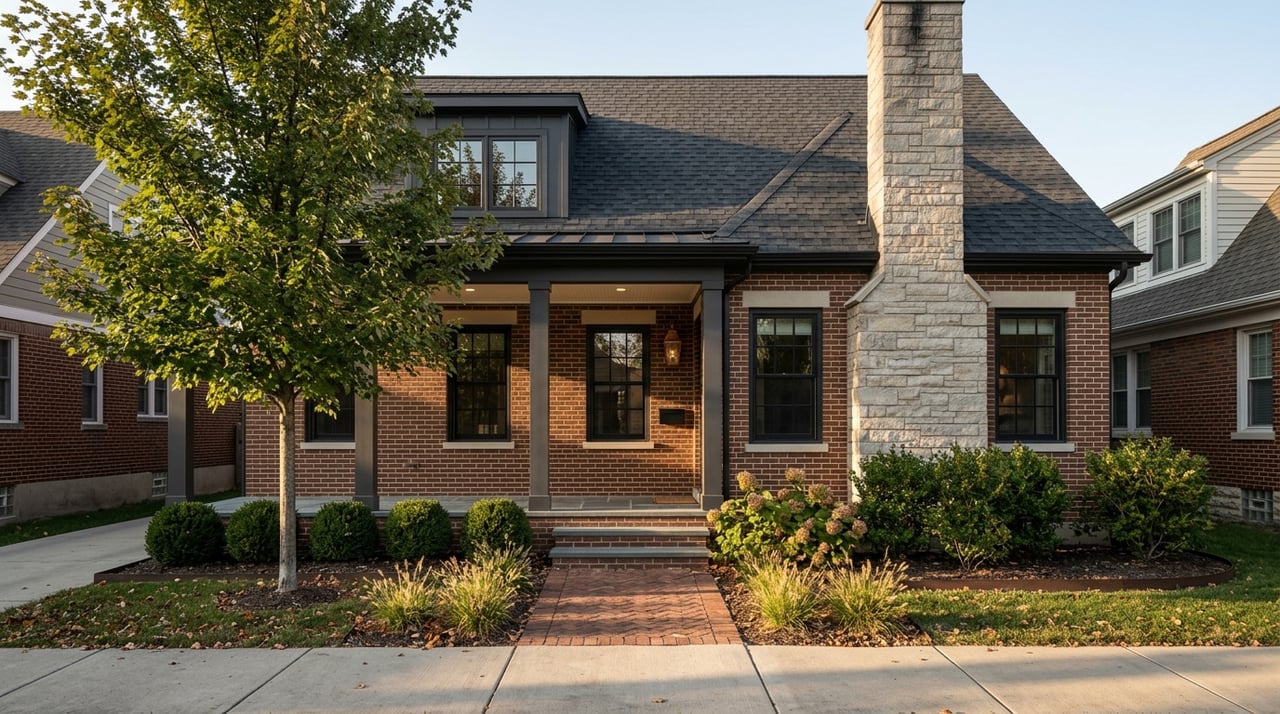
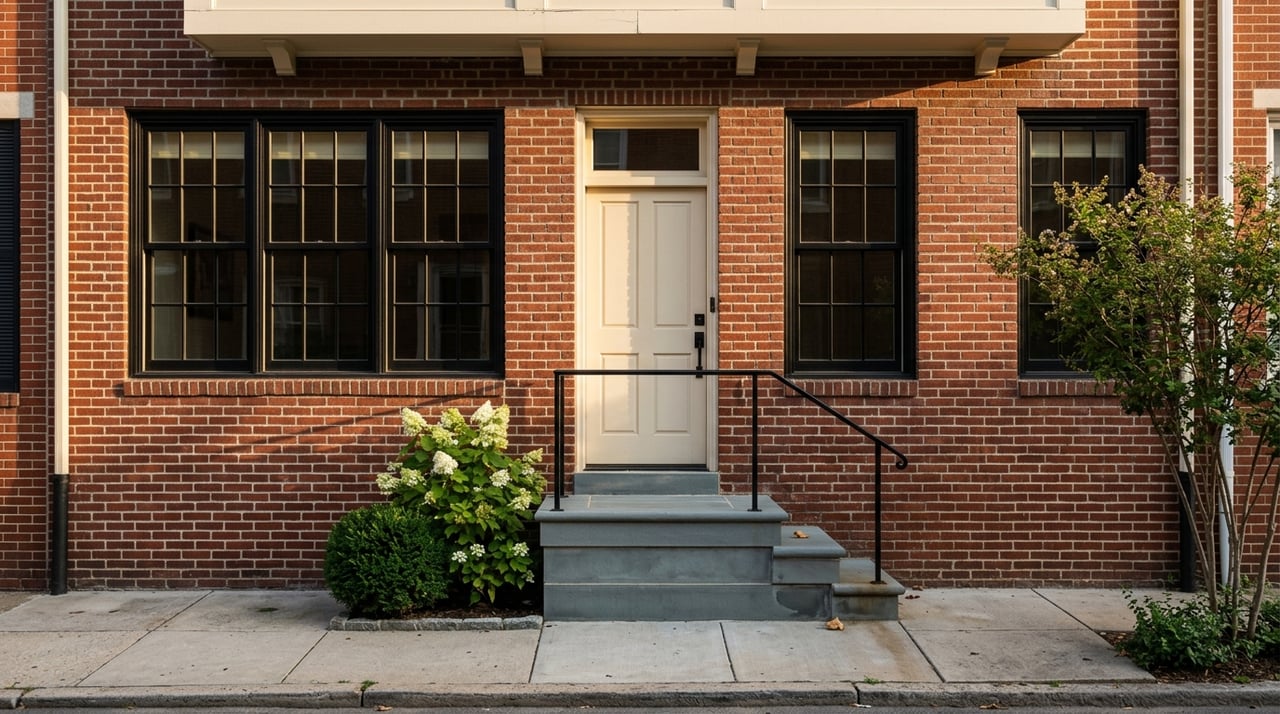
Many of the city’s historic buildings are brick. In Lancaster, you will often notice brick facades, cornices, stoops or porches, and homes set close together along the street. The look is compact and continuous, which gives many blocks a strong sense of rhythm and character.
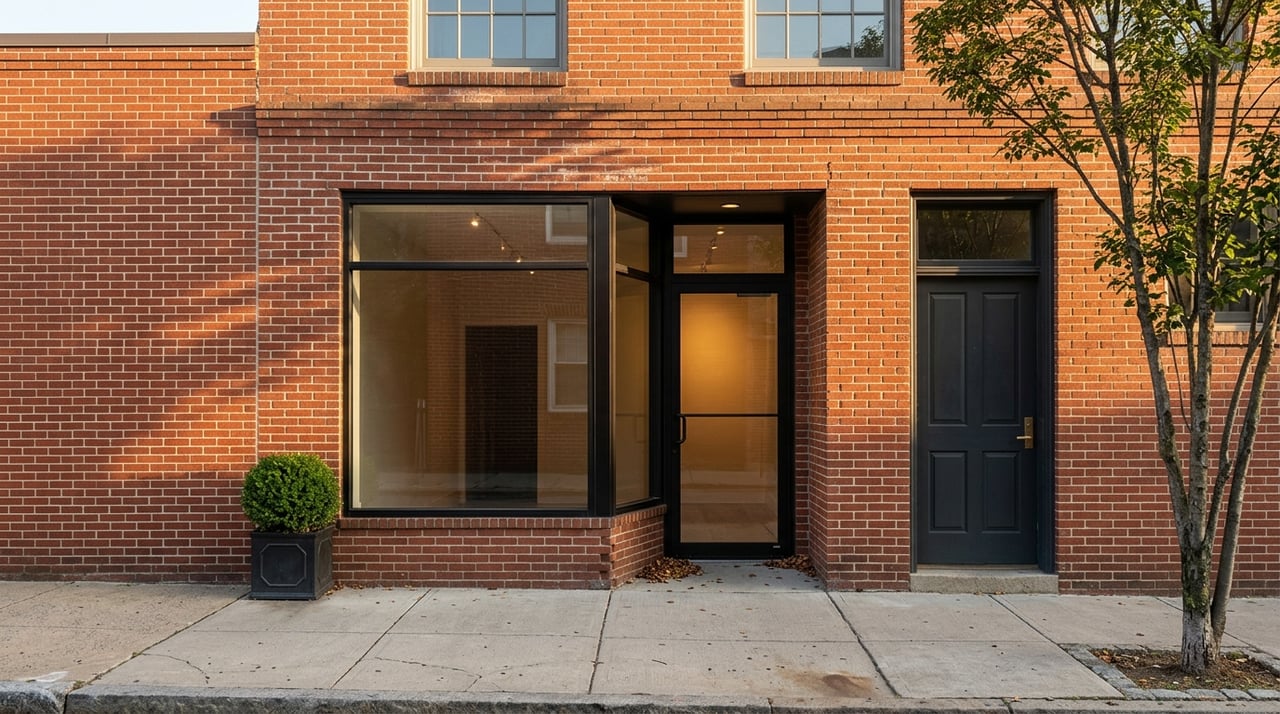
Some Lancaster rowhomes also reflect the city’s long history of mixed-use neighborhoods. Historic materials from the city note that stores were often interspersed along residential rows. For you as a buyer, that can translate into a more urban feel and closer access to everyday services.
How Space Feels in a Rowhome
One of the biggest adjustments for buyers coming from suburban housing is space. Rowhomes usually have a smaller footprint than detached homes on larger lots. You may gain location and character, but you will often give up side yards and some indoor elbow room.
Outdoor space also tends to work differently. In many Lancaster rowhomes, outdoor living happens on the front porch, in the rear yard, on a rear porch, or sometimes on an upper-level balcony. If you are hoping for a broad private yard, it is important to compare that expectation with what the property actually offers.
That does not mean rowhome living feels limiting for everyone. Many buyers like the way Lancaster’s public spaces, tree-lined streets, parks, and trails help balance a smaller private lot. If you value being out and about in the city, that tradeoff may feel worth it.
Historic Character Can Affect Renovations
Lancaster’s charm is a big draw, but it can also shape what you can change. The city has two local historic districts, and properties in the HARB district may need review for certain exterior alterations. That can include items like doors, porches, dormers, windows, fences, and changes to exterior materials.
Interior work and exterior painting are generally not reviewed by HARB, according to the city, though permit requirements may still apply depending on the project. If you are buying a rowhome with plans to remodel, it is smart to find out early whether the home is in a regulated historic area.
This is especially important if you want to update street-facing features. A beautiful original porch or older window details may add value to the home’s character, but they can also require a more thoughtful and deliberate improvement process.
Parking Is One of the Biggest Practical Questions
If you are moving from a suburban setting, parking may be the biggest day-to-day shift. Lancaster City uses residential permit parking in some areas, and the Lancaster Parking Authority handles permit parking, metered parking, and street cleaning enforcement.
For homes in permit zones, residents must obtain permits through the Lancaster Parking Authority. The vehicle must have a valid Pennsylvania plate and current inspection, and no more than two permits may be issued for a single-family dwelling. Guest permits and temporary permits are also available.
Before you buy, make sure you ask how parking works for that specific property. A rowhome with no off-street parking may still be a great fit, but only if the permit rules and parking routines match your comfort level.
City Rules Shape Daily Life
Rowhome ownership in Lancaster comes with a few city-specific responsibilities. Street cleaning happens weekly or bi-weekly depending on the route, and that can affect when and where you park. If you are not used to moving your car for posted schedules, this is worth understanding before you move.
Winter adds another layer. The city says that during snow emergencies, cars on snow-emergency routes may need to be moved within one hour of a declaration. Property owners are also responsible for clearing sidewalks and crosswalk openings within five hours after snow ends.
These are not reasons to avoid city living. They are simply part of the practical rhythm of owning a home in Lancaster. Buyers who are comfortable with shared-street rules often find the tradeoff worthwhile.
Transit and Getting Around
Lancaster rowhome living does not have to revolve around a car. The city points residents to train, bus, trolley, and taxi options, including Amtrak Lancaster Station and Red Rose Transit Authority service. Red Rose Transit has provided public bus service throughout Lancaster City and County since 1976.
That access can be a major plus if you prefer a more connected lifestyle. Depending on the home’s location, you may be able to handle some errands, commuting, or entertainment without driving everywhere.
This is part of what makes rowhome living different from a typical suburban setup. Instead of spreading daily life across a larger area, Lancaster often brings more of it within closer reach.
The Lifestyle Difference: City or Suburban?
For many buyers, the real question is not whether a rowhome is better than a suburban house. The question is which lifestyle fits you best. Lancaster City emphasizes neighborhood success block by block, and older residential rows have long been tied to a street-oriented pattern of homes, businesses, and public life.
If you like front-porch visibility, historic architecture, and close access to services, a rowhome may feel like a natural fit. If you want more lot space, more private parking, and fewer limits on exterior changes, suburban housing may line up better with your priorities.
There is no one-size-fits-all answer. The right choice depends on how you want to live every day, not just how a home looks in photos.
Questions to Ask Before You Buy
When you tour Lancaster rowhomes, keep your questions practical. A home can be full of charm, but the best buying decisions happen when you understand how the property works in real life.
Here are a few smart questions to ask:
- Is the home in a residential permit parking zone?
- How many parking permits are available for the property?
- Is the home in the HARB district or Heritage Conservation District?
- Which exterior changes would require review?
- How much private outdoor space does the property actually have?
- Where will outdoor living happen if the lot is small?
- What should you know about street cleaning on that block?
- Is the home affected by snow-emergency route rules?
- Does this location fit the walkable, neighborhood-oriented lifestyle you want?
These questions can help you move beyond first impressions and focus on fit.
Why Local Guidance Matters
Buying a rowhome in Lancaster is not just about square footage and price. It is about understanding neighborhood patterns, historic considerations, parking logistics, and how city living compares with nearby suburban options. Those details can shape your experience long after closing day.
That is why working with a local team matters. You want advice that is practical, clear, and grounded in how Lancaster homes and neighborhoods function in everyday life. If you are weighing rowhome living against other options in Lancaster County, talking through your goals can save time and help you buy with confidence.
If you are exploring Lancaster rowhomes and want practical guidance on what fits your lifestyle, connect with Steve Hammond for a free consultation.
FAQs
What makes Lancaster rowhomes different from suburban homes?
- Lancaster rowhomes often offer historic architecture, compact lots, porch-front living, and closer access to neighborhood services, while suburban homes usually offer more private lot space, more parking, and fewer historic-district review issues.
What should buyers know about parking for Lancaster rowhomes?
- Some Lancaster rowhomes are in residential permit parking zones, where permits are managed by the Lancaster Parking Authority and single-family dwellings may receive no more than two permits.
What should buyers know about historic districts in Lancaster?
- If a rowhome is in one of Lancaster’s regulated historic districts, certain exterior changes such as windows, porches, doors, fences, dormers, and material changes may require review.
What should buyers expect for outdoor space in Lancaster rowhomes?
- Many Lancaster rowhomes have smaller private outdoor areas, with outdoor living often centered on front porches, rear porches, balconies, or rear yards rather than side yards.
What daily responsibilities come with Lancaster rowhome ownership?
- Buyers should be ready for city-specific routines like street cleaning schedules, snow-emergency parking rules, and sidewalk clearing after snow.
What transportation options support Lancaster rowhome living?
- Lancaster residents may have access to train, bus, trolley, and taxi options, including Amtrak Lancaster Station and Red Rose Transit Authority service, which can make city living less car-dependent.