If you are eyeing a mixed-use property in Lancaster, you are not just buying a building. You are buying into a use pattern, an income structure, and a local approval process that can be more layered than a standard home purchase. That can feel like a lot at first, but with the right plan, you can evaluate these properties with confidence. Here’s what you should know before you make a move in Lancaster.
Why mixed-use matters in Lancaster
Lancaster City is a natural place to find mixed-use property because its historic core already includes a blend of residential and commercial uses. The city’s comprehensive plan notes that older parts of Lancaster have this mixed-use character, and it uses multiple zoning districts to respond to different urban forms.
That matters because mixed-use is not an unusual edge case here. In the city’s planning framework, categories such as Neighborhood Mixed Use and Urban Centers specifically allow mixed-use buildings, neighborhood retail and service uses, and upper-floor residential or commercial space.
There is one important distinction to keep in mind. The city also notes that the Future Land Use Map is not the same as the zoning map, so a property that looks like a fit on a planning map still needs zoning-level confirmation before you rely on a use assumption.
Start with zoning first
Before you focus on rents, design ideas, or renovation budgets, confirm what the property is allowed to do today. Lancaster City’s zoning ordinance controls permitted uses, parking, lot dimensions, height, coverage, and setbacks.
This step is critical because mixed-use value often depends on how the residential and commercial pieces work together. If your plan depends on a storefront, upper-floor apartment, added unit, or a specific occupancy type, you want that checked early.
The Zoning Officer enforces the ordinance, and exceptions are handled by the Zoning Hearing Board. If a property only works with a variance or another form of relief, that adds risk, time, and uncertainty to your timeline.
Understand planning review layers
Zoning is not the only local review that can affect your purchase. Lancaster City’s Bureau of Planning reviews housing, commercial, and mixed-use development applications and administers land development-related review.
For you as a buyer, that means a seemingly simple improvement plan may still trigger a formal review process. If you plan to reconfigure space, intensify use, or make site-related changes, you should understand that process before closing.
A practical way to think about it is this: mixed-use properties often need to be evaluated as both a real estate purchase and a project. The more your business plan depends on changes after settlement, the more important this review layer becomes.
Check historic district rules early
Some of Lancaster’s most appealing mixed-use buildings are in areas with historic oversight. If a property is in the city’s local historic districts, exterior changes, demolition, and new construction can trigger review through HARB.
The city states that it has both a HARB district and a Heritage Conservation District. That makes it important to confirm exactly which district, if any, applies to the property you are considering.
Not every project triggers HARB review. Interior work, exterior painting, and like-kind maintenance generally do not require HARB review, although permits may still be needed. If your value-add plan depends on visible exterior changes, check this before you finalize your budget and timeline.
Review floodplain constraints
Floodplain status can affect what you can build, change, or finance. Lancaster City restricts development in floodplain areas and administers floodplain rules through the zoning ordinance, while official flood maps come from FEMA.
This is one of those issues you do not want to discover late. A property in or near a floodplain can carry different development limits and review requirements, which may change your renovation scope or long-term hold strategy.
For mixed-use buyers, that can be especially important when the deal depends on improving commercial space, altering the building footprint, or making site changes. Early review helps you avoid expensive surprises.
Financing works differently here
Many buyers assume they can finance a mixed-use property the same way they would a standard residential purchase. In practice, these deals often lean more toward commercial-style underwriting, especially when repayment depends on business occupancy, rental income, or a renovation plan.
For owner-occupied situations, SBA-backed financing may be part of the conversation. SBA 7(a) loans can be used to acquire, refinance, or improve real estate and buildings, with a maximum loan amount of $5 million, and borrowers must be creditworthy and show a reasonable ability to repay.
SBA 504 loans also provide long-term, fixed-rate financing for major fixed assets such as existing buildings, land, and new facilities through Certified Development Companies. These loans can go up to $5.5 million, but they cannot be used for speculation or investment in rental real estate.
The big takeaway is simple: the right loan structure depends on how you plan to occupy the property, how the building produces income, and how much renovation is involved. If the property is a passive investment with rental income only, or if the commercial component drives the deal, expect a different financing conversation than you would have with a single-family home.
Know how lease structure affects cash flow
A mixed-use building may have more than one income stream, but that does not always mean simpler returns. The commercial storefront lease and the residential apartment leases can allocate costs in very different ways.
NAIOP defines several common commercial lease structures. In a gross lease, the landlord typically pays most operating expenses and taxes. In a modified gross lease, expenses are split. In a net lease, some operating expenses shift to the tenant. In a triple-net lease, taxes, maintenance, insurance, and occupancy costs shift to the tenant, while the landlord typically remains responsible for the roof and structure.
That means you should verify exactly who pays for:
- Property taxes
- Insurance
- Utilities
- Common-area costs
- Repairs
- Tenant improvements
If you skip this step, your projected net income can look better on paper than it performs in reality. In a small mixed-use building, even one poorly structured lease can change the numbers fast.
Look beyond tenant names
When buyers review a mixed-use property, it is easy to focus on whether the commercial space is occupied. A better question is how much of the property’s income depends on that one occupant and how hard it would be to re-lease the space if the tenant leaves.
That is especially important in a smaller building where one storefront may drive a large share of income. A vacancy in the commercial portion can affect debt coverage, reserves, and your timeline for stabilizing the asset.
Residential units may provide balance, but they do not automatically remove the risk of commercial turnover. You want to understand the building’s actual income mix, not just whether it is technically leased today.
Keep records and tax treatment in mind
Mixed-use ownership can also create more bookkeeping complexity than a single-use property. The IRS describes mixed-use property as a single building that combines residential and commercial units.
If a taxpayer relies on the qualified business income safe harbor for rental real estate, the IRS requires separate books and records. In practical terms, that means a CPA review can be important when you are combining apartment income and storefront income in one asset.
Even if tax planning is not your first concern on day one, it should be part of your due diligence. Clean records and clear income allocation matter when you evaluate performance and long-term ownership costs.
A practical Lancaster due diligence checklist
If you want to stay organized, focus on the four review layers that matter most before you commit:
- Confirm the permitted use under the zoning map and ordinance.
- Check whether historic district review applies.
- Review floodplain status and development constraints.
- Match the lease and financing structure to the property’s real income stream.
That framework helps you cut through the noise. It keeps you focused on the issues most likely to affect value, timing, and risk in a Lancaster mixed-use purchase.
Why local guidance helps
Mixed-use property can offer flexibility, multiple income streams, and strong location appeal in Lancaster. But it also asks you to think like a buyer, an owner, and sometimes a future operator all at once.
That is where local market knowledge matters. You want someone who understands how city review layers, property positioning, and real-world deal structure come together before you get too far down the road.
If you are exploring mixed-use opportunities in Lancaster, Steve Hammond can help you evaluate on-market and off-market options with practical local insight and a clear process.
FAQs
What is a mixed-use property in Lancaster?
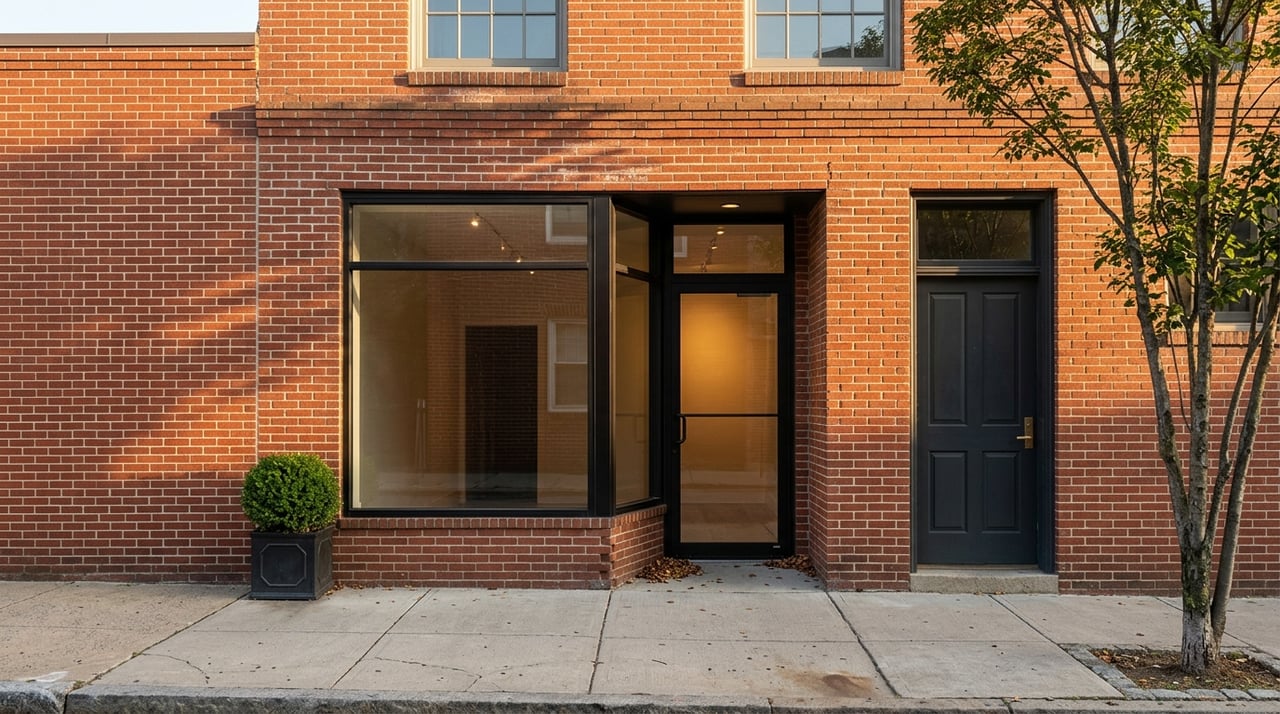
- A mixed-use property is generally a single building that combines residential and commercial units, such as a storefront with apartments above.
What should you check first when buying mixed-use property in Lancaster?
- Start with zoning, because Lancaster City’s zoning ordinance controls permitted uses, parking, lot dimensions, height, coverage, and setbacks.
Does Lancaster historic district review affect mixed-use property?
- Yes, if the property is in a local historic district, exterior changes, demolition, or new construction may trigger HARB review.
Can you use SBA financing for a Lancaster mixed-use purchase?
- In some owner-occupied cases, SBA 7(a) or 504 financing may fit, but the right structure depends on occupancy, income profile, and whether the property is a passive investment.
Why do leases matter when buying mixed-use property in Lancaster?
- Lease structure affects who pays expenses like taxes, insurance, utilities, repairs, and maintenance, which directly impacts your true net income.