If you want a place where daily life feels connected, Elizabethtown Borough deserves a closer look. You may be trying to figure out whether borough living fits your pace, your housing goals, or your budget. The good news is that Elizabethtown offers a clear mix of compact living, varied housing, and everyday convenience in a small footprint. Let’s dive in.
Elizabethtown Borough at a glance
Elizabethtown Borough is a compact community in Lancaster County with deep roots and a classic town-center layout. The borough traces its history to a central square and diamond street pattern, and it was incorporated in 1827. Today, it covers about 2.65 square miles and had a 2020 population of 11,639, with a 2025 estimate of 11,961.
That small scale shapes how the borough feels day to day. With a population density of 4,388.8 people per square mile, Elizabethtown is much more compact than nearby township areas. For you, that often translates into shorter trips, a more visible downtown core, and a stronger connection between housing, parks, and everyday errands.
Housing in Elizabethtown Borough
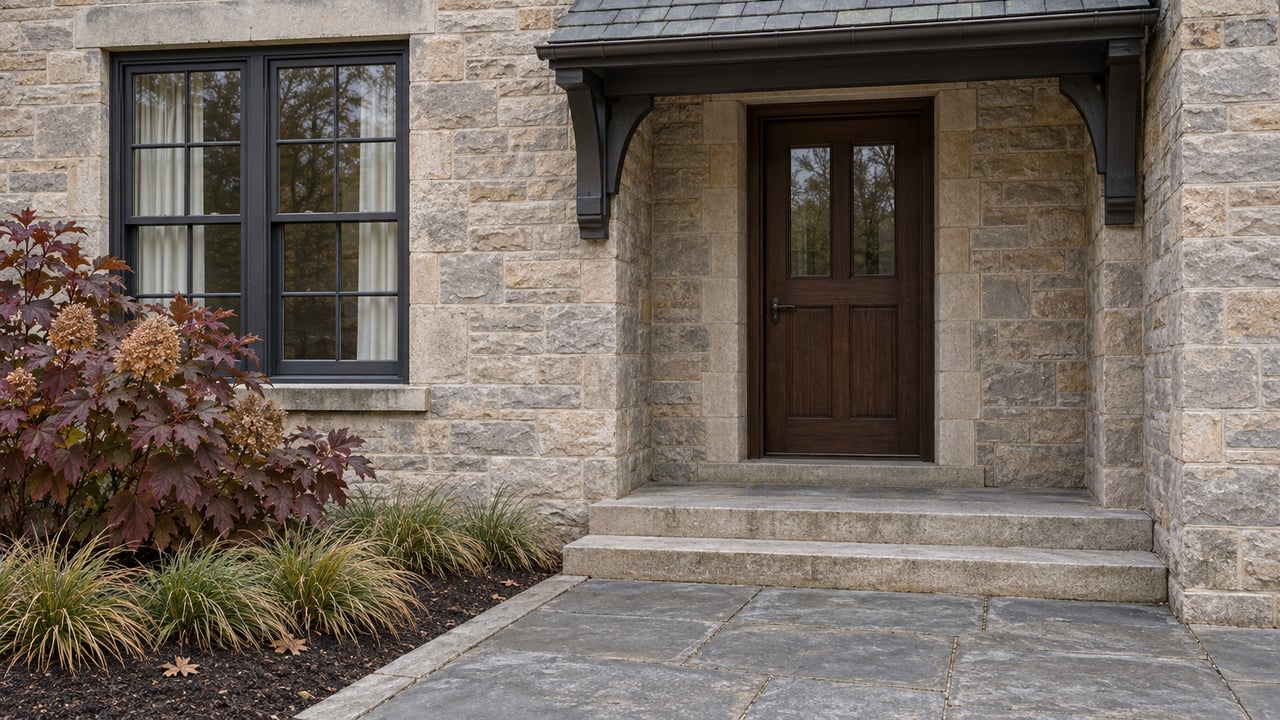
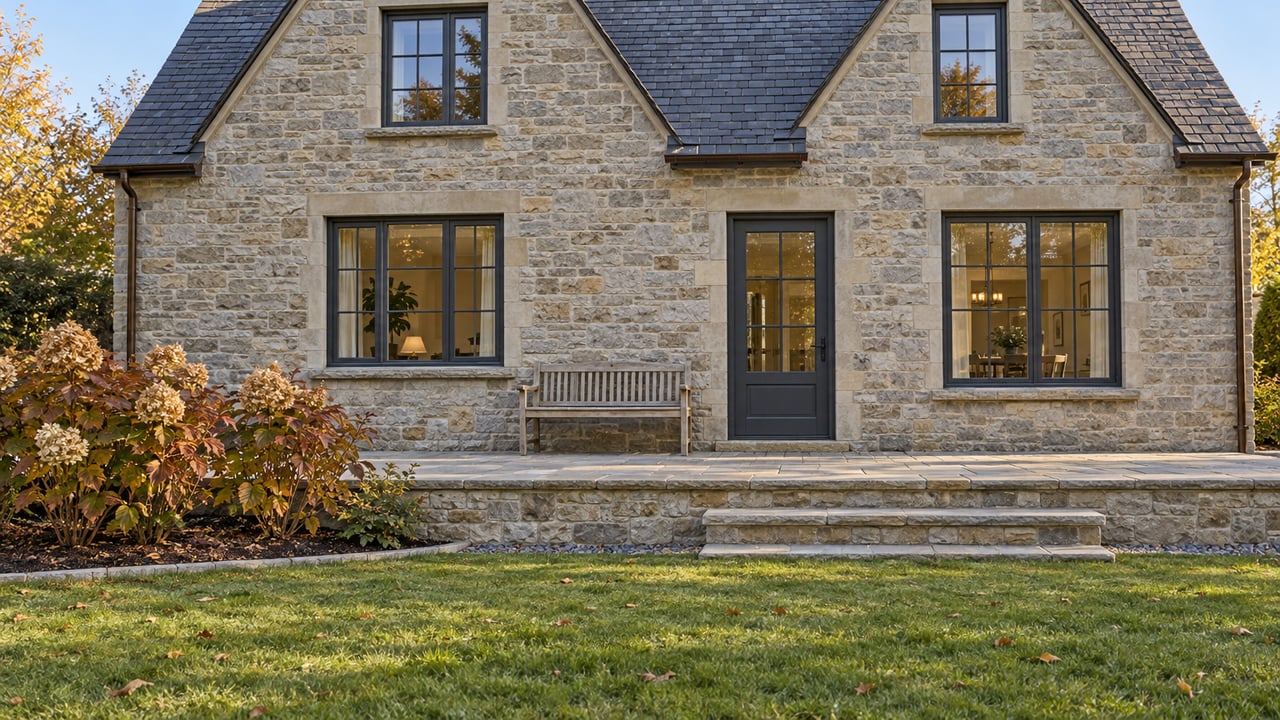
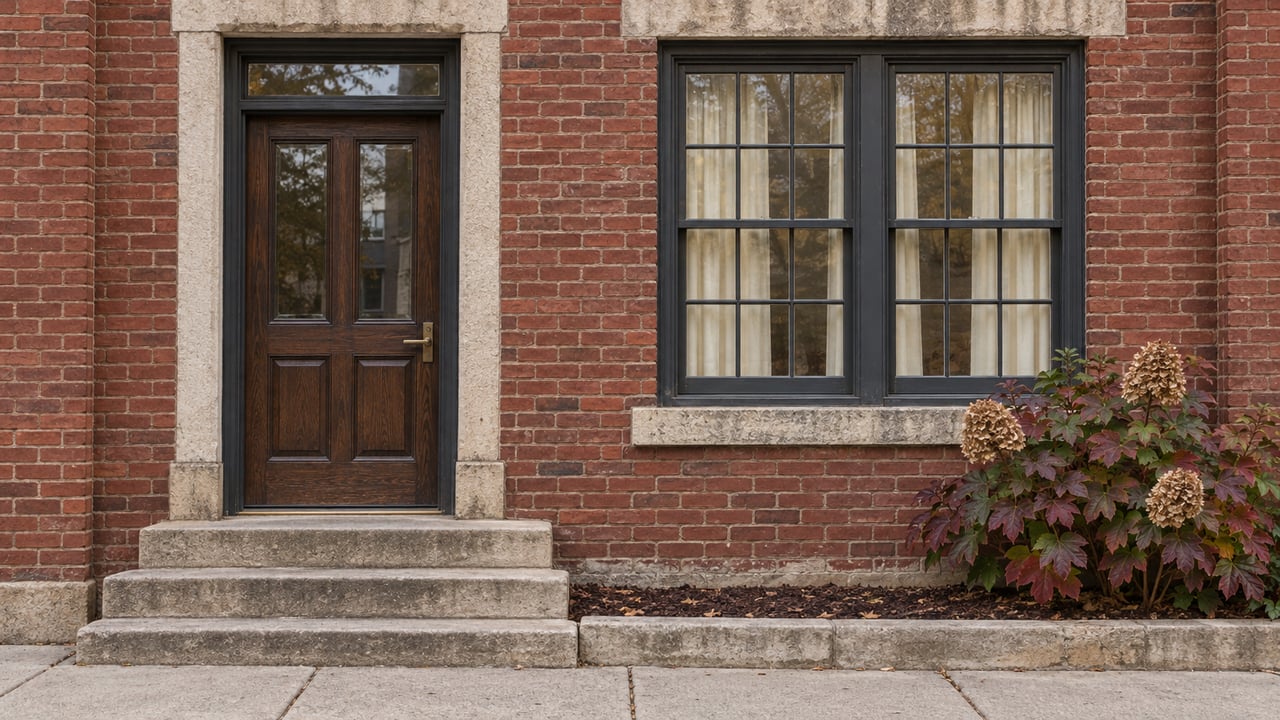
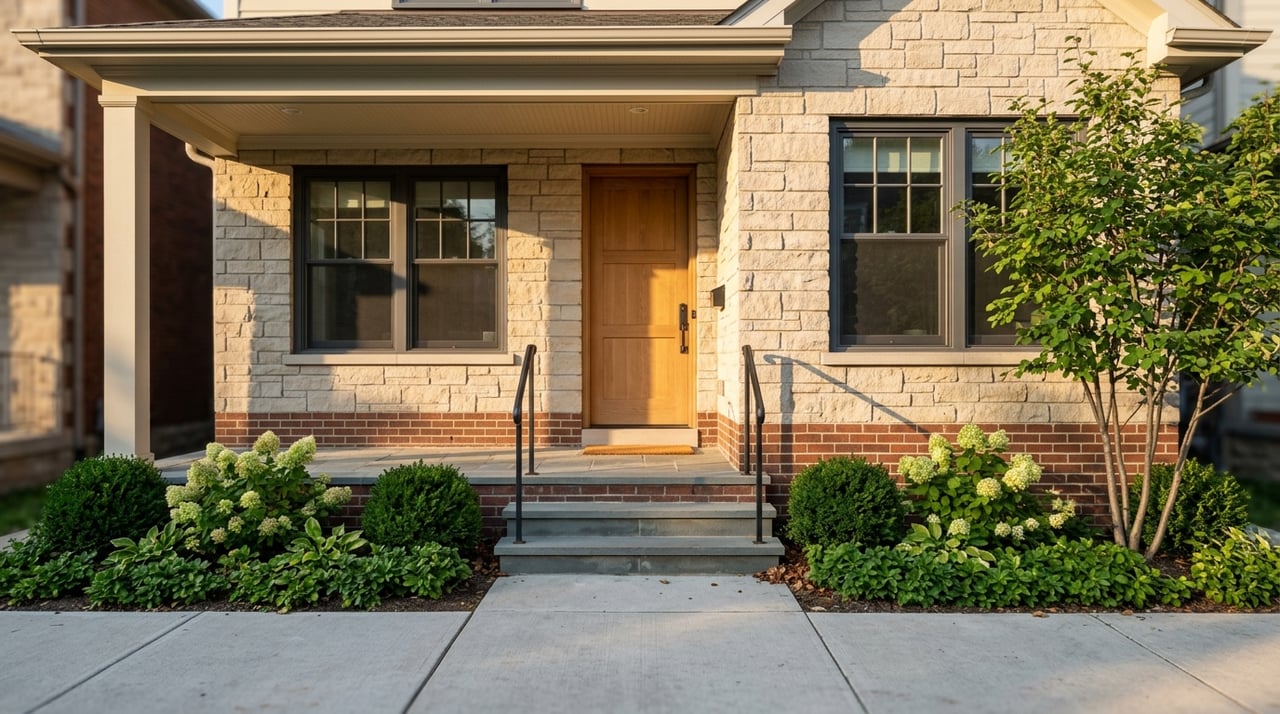
Elizabethtown Borough does not present just one type of home or one visual style. Its housing story is layered, with older homes near the square, Victorian-era rowhouses near former factory areas, and other residential pockets that reflect different periods of growth. That gives the borough a more varied streetscape than places built all at once.
Local architectural records describe a mix of Georgian, Federal, French Second Empire, Victorian Italianate, Gothic Revival, and Queen Anne influences in and around the borough. In practical terms, that means you may see everything from traditional older homes to attached rowhouse-style properties depending on the block. If you like a neighborhood with visible character and variety, that is part of the appeal here.
The housing mix also includes both owner-occupied homes and rentals. Census QuickFacts shows an owner-occupied housing rate of 58.2%, which points to a meaningful rental presence alongside long-term homeowners. The borough also administers a residential rental licensing and inspection program, which supports that mixed housing picture.
Another local housing feature is the presence of retirement-oriented housing within borough limits through part of the Masonic Village campus. That adds another layer to the local housing landscape. Instead of one narrow housing profile, Elizabethtown Borough offers a broader range of living arrangements than many small communities.
What the numbers suggest
Housing data gives a useful snapshot of what borough living may look like financially. QuickFacts reports a median owner-occupied home value of $238,700. Median monthly owner costs with a mortgage are listed at $1,622, while median gross rent is $1,174.
Those figures do not tell you what every home will cost, but they do help frame the borough’s general position in the local market. The average household size is 2.20 people, and 85.6% of residents lived in the same house one year earlier. That suggests a community with moderate residential stability rather than constant turnover.
Median household income in the borough is $76,105, and the poverty rate is 7.6%. For buyers and sellers, those numbers help provide context around the broader local market. They can also help explain why Elizabethtown attracts a mix of households looking for convenience, established neighborhoods, and a town-centered lifestyle.
Daily rhythm in the borough
One of the biggest differences in Elizabethtown Borough is how much daily life happens within a compact area. The borough includes the Amtrak station, public library, shops, restaurants, coffee shops, microbreweries, district offices, schools, Elizabethtown College, Community Park, and a growing pedestrian and bicycle network. Many of the places people use regularly are close to one another.
That matters because your routine can feel simpler when errands, recreation, and transportation are more connected. Elizabethtown College notes that its campus is about a half-mile walk from downtown. That close relationship between downtown and major local destinations adds to the borough’s active, lived-in feel.
The borough is also regionally connected. Downtown Elizabethtown is about 10 miles south of Hershey and roughly 20 miles from Harrisburg, Lancaster, and York. With nearby access to I-283, Route 230 through downtown, and rail service on the Keystone Corridor, the borough offers a small-town setting without feeling cut off.
Parks, trails, and public spaces
Public space plays a major role in the borough’s day-to-day rhythm. Community Park is a 20.653-acre developed park near the heart of town, with basketball courts, playground equipment, an amphitheater, a Veterans Memorial, a softball field, and rentable pavilions. It functions as one of the borough’s main shared spaces for recreation and events.
Hickory Lane Park adds a different experience. At 16.51 acres along Conoy Creek, it gives the borough a more natural park setting alongside its developed public spaces. That balance can be appealing if you want both active recreation and quieter outdoor areas close to home.
The borough’s pedestrian and bicycle pathway network helps tie key places together. According to the borough, the network connects the train station, Poplar Street Park, the public library, downtown, and Community Park. Future phases are intended to connect the system to Elizabethtown College and the Conewago Rail Trail.
Transit, parking, and getting around
Transportation options are a meaningful part of borough living in Elizabethtown. The train station offers Amtrak service, a Red Rose Transit bus stop, covered bike racks, accessible platforms, and parking lots. That gives residents multiple ways to move through town and beyond it.
Parking also affects how downtown works. The borough maintains six municipal parking lots, including several free lots, and meters operate on streets and in some lots Monday through Saturday. If you are comparing Elizabethtown with less compact areas, details like parking supply and walkable destinations become part of everyday quality of life.
The borough has also adopted a Complete Streets policy. In plain terms, that means pedestrian, bike, transit, and accessibility features are treated as part of the circulation system rather than afterthoughts. For many buyers, that adds to the practical appeal of living in a more connected setting.
How borough living differs from nearby townships
If you are choosing between Elizabethtown Borough and nearby township areas, density is one of the clearest differences. Elizabethtown Borough has 4,388.8 people per square mile on 2.65 square miles. By comparison, Mount Joy Township has 385.1 people per square mile on 27.84 square miles, and West Donegal Township has 566.8 people per square mile on 15.78 square miles.
Those numbers support a simple takeaway. Borough living is generally tighter, more walkable, and more centered around mixed-use streets and public destinations. Township living is generally more spread out and more dependent on driving for daily tasks.
Housing patterns also differ. Mount Joy Township has a 73.2% owner-occupied rate with a median owner value of $311,800, while West Donegal Township has a 68.6% owner-occupied rate with a median owner value of $345,500. Compared with Elizabethtown Borough’s 58.2% owner-occupied rate and $238,700 median value, the township markets appear directionally more owner-occupied and higher-valued.
That does not make one option better than the other. It simply means your lifestyle goals matter. If you want a compact setting with a visible downtown, a wider mix of housing types, and access to transit and public spaces, borough living may feel like a strong fit.
Who Elizabethtown Borough may suit
Elizabethtown Borough can make sense for buyers who value convenience and connection over lot size alone. You may appreciate being close to downtown destinations, parks, transit, and a street pattern that supports walking and biking. You may also like the character that comes with older housing stock and a long-established town center.
For sellers, the borough’s appeal often comes down to lifestyle as much as square footage. Buyers who are drawn to older neighborhoods, varied housing types, and a more connected daily routine may see real value in this location. Understanding that local rhythm is important when it is time to price and market a home.
If you are weighing a move in or around Elizabethtown, a local view can help you compare not just home prices, but the pace and pattern of daily life. That is often what turns a good location on paper into the right fit in real life. When you are ready to talk through your options, schedule a free consultation with Steve Hammond.
FAQs
What is daily life like in Elizabethtown Borough?
- Daily life in Elizabethtown Borough is shaped by a compact downtown, nearby parks, local shops and restaurants, the public library, the train station, and a growing pedestrian and bicycle network.
What types of homes are common in Elizabethtown Borough?
- Elizabethtown Borough includes a mix of older homes near the town center, Victorian-era rowhouses, rental properties, owner-occupied homes, and retirement-oriented housing within part of the borough.
How large is Elizabethtown Borough, Pennsylvania?
- Elizabethtown Borough covers about 2.65 square miles, making it a relatively compact community within Lancaster County.
How does Elizabethtown Borough compare with nearby townships?
- Elizabethtown Borough is much denser and more compact than nearby township areas, which generally have lower population density, more spread-out development, and a more car-dependent daily pattern.
Does Elizabethtown Borough have train service?
- Yes. The Elizabethtown Train Station offers Amtrak service on the Keystone Corridor and also includes a Red Rose Transit bus stop.
Are parks and trails part of Elizabethtown Borough living?
- Yes. The borough maintains Community Park and Hickory Lane Park, and its pedestrian and bicycle network connects several key destinations in town.