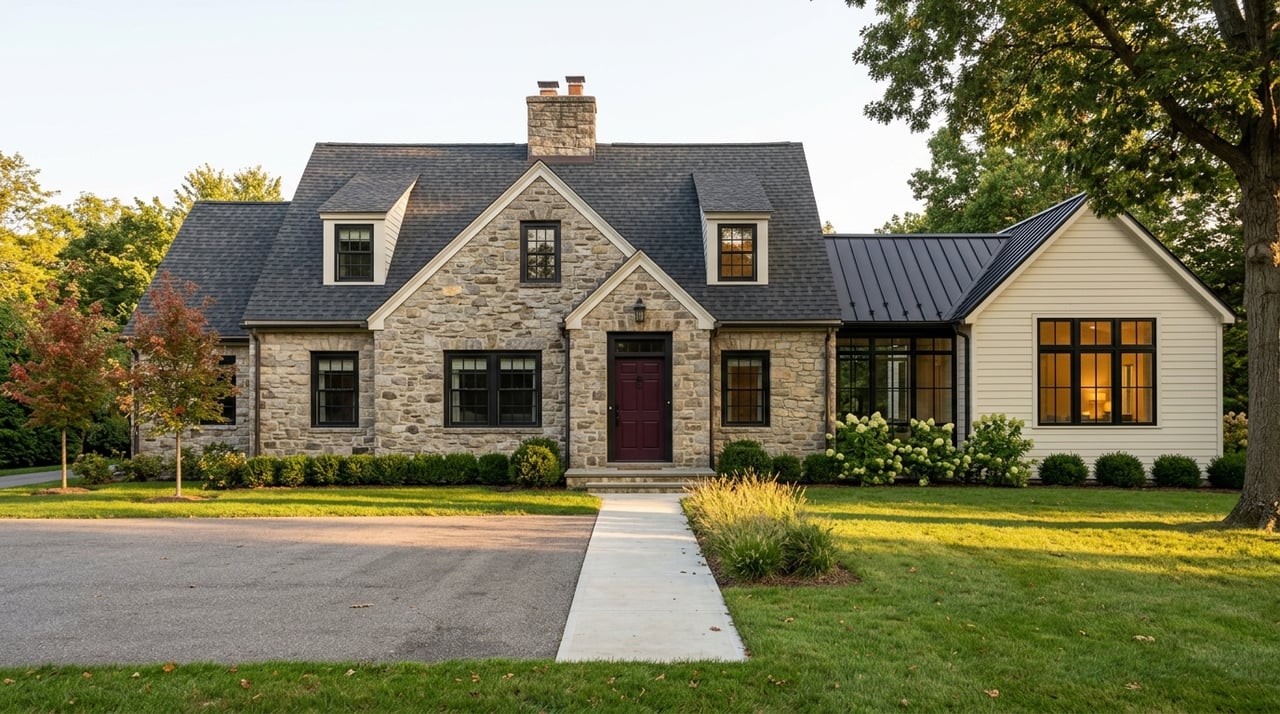
Choosing between a historic home and a newer one in Lititz is not just about age. It is about how you want to live, what kind of upkeep you can handle, and which tradeoffs feel worth it to you. If you are trying to decide between the borough’s older core and newer housing around it, this guide will help you compare character, maintenance, efficiency, and resale so you can move forward with more confidence. Let’s dive in.
Lititz Gives You Two Different Experiences
Lititz has deep roots as a Moravian settlement dating back to 1756, and that history still shapes the borough today. The Lititz-Moravian Historic District includes residential, religious, and commercial buildings from roughly 1755 to 1930, which gives the core of town a very different feel from later development outside that historic area.
That contrast matters when you are house hunting. In the borough core, you are often looking at homes with older materials, established streetscapes, and architectural detail tied to Lititz’s long history. Outside the core, you are more likely to find post-1930 homes and newer construction with more modern systems and layouts.
Even current home values show that the borough and surrounding area sit in different bands. Census estimates place the median owner-occupied home value at $299,900 in Lititz Borough and $338,200 in Warwick Township. That does not tell the whole story, but it does reinforce that you are often comparing two distinct housing settings.
Historic Homes in Lititz
Historic homes near the borough core tend to be modest in scale and closer to the street. Many were built in stone or wood, and the district reflects a range of styles including Germanic, Federal, Second Empire, Italianate, Queen Anne, and American Foursquare.
For many buyers, that is the appeal. These homes often offer a streetscape and architectural identity that is hard to copy. You may notice original materials, older proportions, and details that create a sense of place the moment you pull up.
Why Buyers Love Historic Homes
The biggest draw is usually character. Older homes in Lititz can offer authenticity, established surroundings, and a look that feels connected to the borough’s history.
Buyers who choose previously owned homes often point to better overall value, better price, and more charm and character. In a place like Lititz, that preference can be especially strong in the older core, where the architecture itself is part of the experience.
What to Watch With Older Homes
Charm comes with responsibility. Historic homes usually need more ongoing repair and careful maintenance than newer homes, especially when original materials and features are still in place.
Preservation guidance also points toward maintaining and repairing historic materials rather than replacing them whenever possible. That can be a real advantage if you value authenticity, but it can also affect your budget, timeline, and the type of contractors you may need.
If the home was built before 1978, lead safety should also be part of your planning. Older homes are more likely to contain lead-based paint, and renovation or repair work can create lead dust. That makes inspection questions and lead-safe renovation planning important before you take on updates.
Historic Overlay Rules Matter
If a property is inside Lititz’s historic overlay, exterior changes go through the borough review process with consultation from the Historic Area Advisory Committee. That can affect visible work such as windows, porches, siding, additions, rooflines, and signs.
For you as a buyer, that means design plans should come after approval questions, not before. If you are thinking about changing the exterior, it is smart to understand what may require review before you commit to the home.
Newer Homes Around Lititz
Newer construction around Lititz tends to appeal to buyers who want fewer near-term projects and more predictable systems. That can mean less concern about aging electrical, older plumbing, or immediate renovation work.
In the National Association of Realtors 2024 survey, 45 percent of buyers who chose a new home said avoiding renovations or plumbing and electrical problems was a top reason. Another 26 percent cited the ability to customize, and 19 percent pointed to green or energy-efficient features.
Why Buyers Choose Newer Construction
The practical appeal is straightforward. Newer homes often offer updated layouts, newer mechanical systems, and a more predictable maintenance picture in the first few years of ownership.
If you want a home that feels more move-in ready, newer construction can be the easier path. It may also give you a clearer sense of short-term costs, which can help if you are trying to keep your budget steady after closing.
Newer Does Not Always Mean Generic
In Lititz Borough, newer buildings are not necessarily meant to look out of place. Borough standards say new buildings should reflect traditional Lititz architecture, including similar scale, massing, proportion, and window patterns.
That is an important part of this comparison. In Lititz, the choice is often not between historic charm and a completely unrelated new build. In some cases, it is between original historic fabric and newer construction that still tries to fit the town’s traditional look.
Fewer Overlay Limits Outside the Core
Homes outside the historic overlay generally avoid that specific exterior review layer, though they still must meet standard zoning, subdivision, and building code requirements. For some buyers, that flexibility is a real advantage.
If you want more freedom to change exterior materials or design features over time, a newer home outside the historic overlay may offer a simpler path. That can matter if you already know updates are part of your long-term plan.
Energy Efficiency and Utility Costs
Energy use is one of the clearest differences between older and newer homes. Newer homes often feel easier on monthly utility bills, especially when they include energy-efficient construction and systems.
ENERGY STAR certified homes are designed to exceed minimum energy code requirements by at least 10 percent. ENERGY STAR NextGen homes and apartments are described as about 20 percent more energy efficient than homes built to typical code levels.
That does not mean a historic home cannot improve. For older homes, low-e exterior or interior storm windows can save about 12 percent to 33 percent on heating and cooling costs, depending on the existing window.
If you love historic character but want a better energy baseline, that kind of upgrade can help. The key is balancing efficiency improvements with the home’s original features and, if applicable, any review requirements in the historic area.
Resale: What Future Buyers May Notice
Resale is not just about square footage or finishes. It is also about how confidently the next buyer can understand the home.
For newer or rated energy-efficient homes, efficiency can be part of the resale story. ENERGY STAR says studies have found sale and resale premiums of 2 percent to 8 percent for rated energy-efficient homes in most markets, and one large national study found a 2.7 percent average sales-price premium for rated energy-efficient single-family homes.
For historic homes, the resale message is often strongest when charm is backed by proof of good stewardship. Buyers may love the character, but they also want confidence that major systems have been maintained and that the house has been cared for over time.
In simple terms, a newer home may win points for convenience and efficiency. A historic home may win points for character and setting. In either case, records, upkeep, and clear condition matter.
A Simple Lititz Buyer Checklist
If you are comparing a historic home with a newer one in Lititz, these are smart questions to ask:
- Is the home inside the historic overlay, and if so, what exterior changes would require review?
- How old are the roof, windows, HVAC, electrical, and plumbing systems?
- Was the home built before 1978, and if so, has lead-paint risk been evaluated before renovation work?
- What energy-efficiency upgrades have already been completed?
- Are there records for permits, approved exterior work, or major system updates?
- Do you want original character more than low-maintenance ownership, or vice versa?
That last question may be the most important one. The right choice often comes down to your comfort with projects, your design priorities, and how you want your day-to-day life to feel in the home.
Which Lititz Home Style Fits You?
If you picture yourself enjoying a layered streetscape, older materials, and a home with visible history, a historic Lititz property may be the better fit. You may take on more maintenance, but you also get a style and setting that many buyers actively seek out.
If you want easier maintenance, more predictable systems, and the possibility of stronger energy performance, a newer home may make more sense. In and around Lititz, that does not always mean giving up character. Some newer homes are designed to reflect the town’s traditional architectural language while offering a more modern ownership experience.
The best move is to compare both with clear eyes. When you understand the real tradeoffs, you can choose a home that fits your budget, your timeline, and the way you want to live.
If you are weighing historic charm against newer convenience in Lititz, the right local guidance can make that decision much easier. Connect with Steve Hammond for a practical conversation about what fits your goals and what to look for before you buy.
FAQs
What makes historic homes in Lititz different from newer homes?
- Historic homes in Lititz often offer older materials, traditional architecture, and a distinct borough streetscape, while newer homes usually offer more modern systems, lower near-term maintenance, and better energy performance.
What should buyers know about Lititz historic overlay rules?
- If a home is inside the historic overlay, exterior changes such as windows, porches, siding, additions, rooflines, and signs may go through borough review with consultation from the Historic Area Advisory Committee.
What are common maintenance concerns with older Lititz homes?
- Older homes may need more ongoing repair and careful maintenance, especially for original materials and aging systems like plumbing, electrical, HVAC, windows, and roofing.
Are newer homes in Lititz usually more energy efficient?
- Newer homes often have an energy-efficiency advantage, and ENERGY STAR certified homes are designed to exceed minimum code requirements by at least 10 percent.
Can a historic Lititz home be made more energy efficient?
- Yes, some upgrades can improve efficiency without fully changing the home’s character, and low-e exterior or interior storm windows can reduce heating and cooling costs depending on the existing windows.
What should buyers ask before buying a pre-1978 home in Lititz?
- Buyers should ask whether lead-paint risk has been evaluated and should plan carefully for any renovation or repair work that could disturb older painted surfaces.
Which has better resale appeal in Lititz: historic or newer homes?
- Both can appeal to future buyers, but newer homes may benefit from energy-efficiency features while historic homes often stand out most when character is paired with strong maintenance records and documented updates.