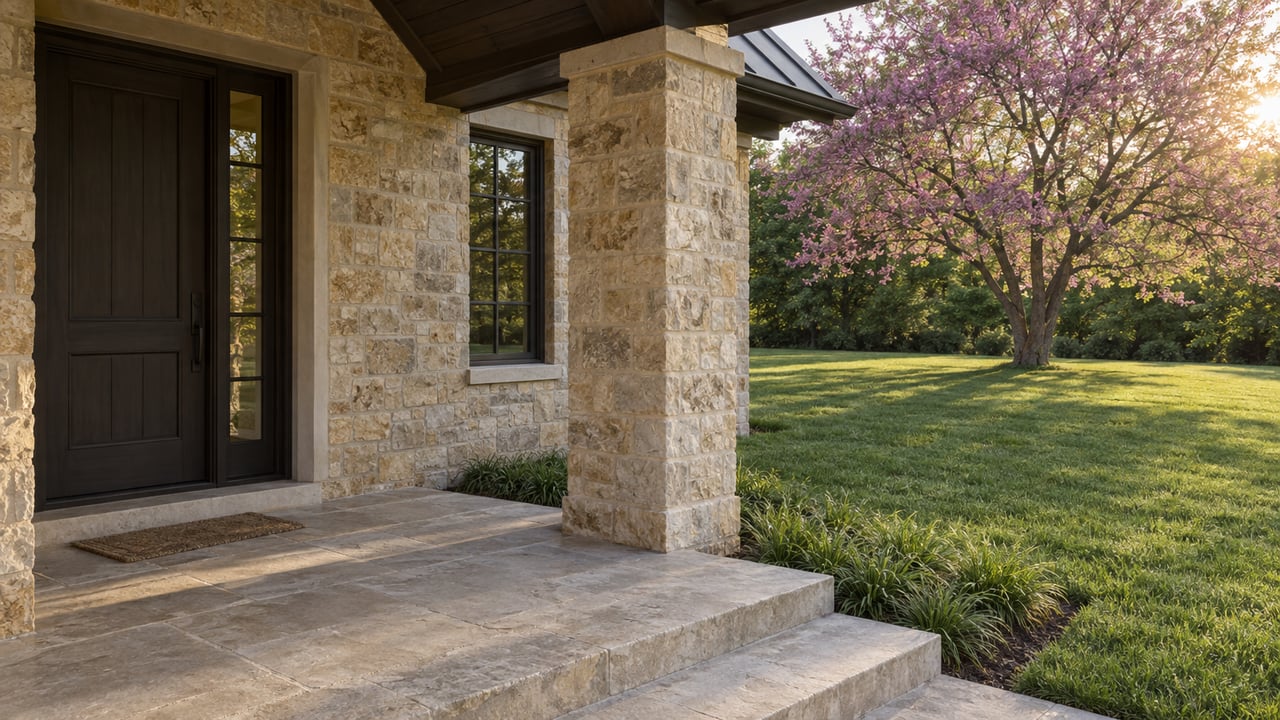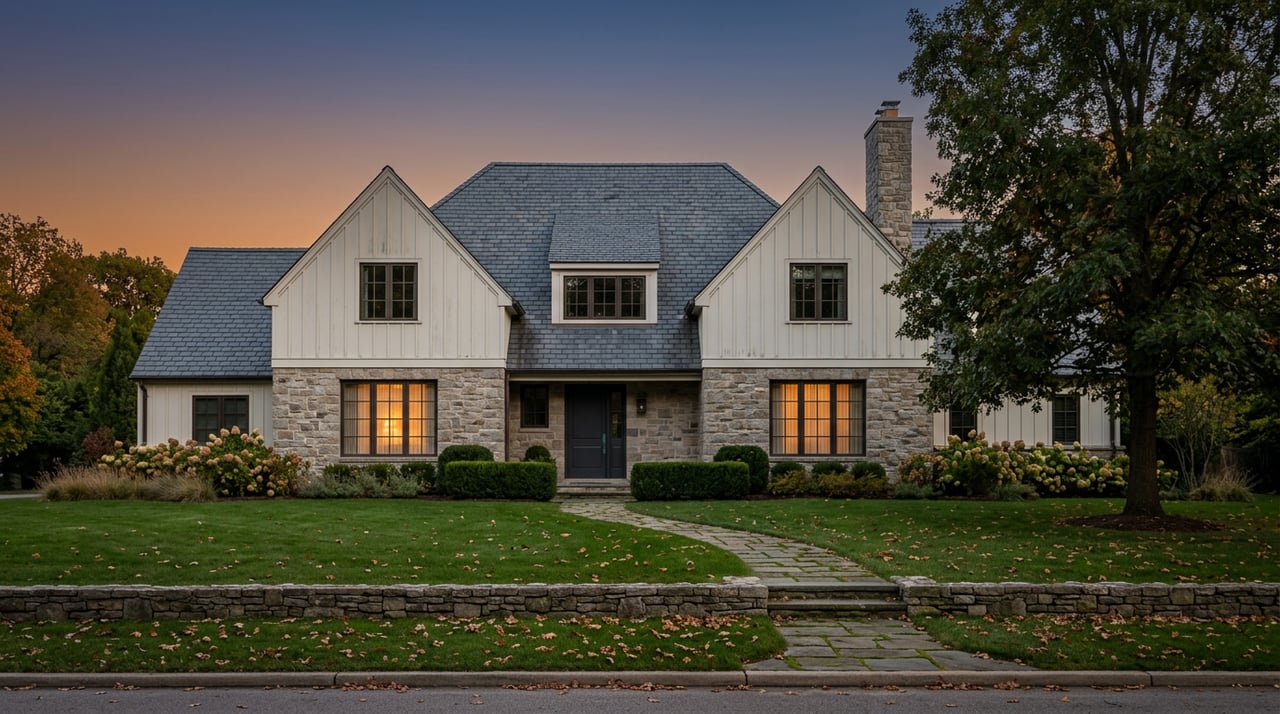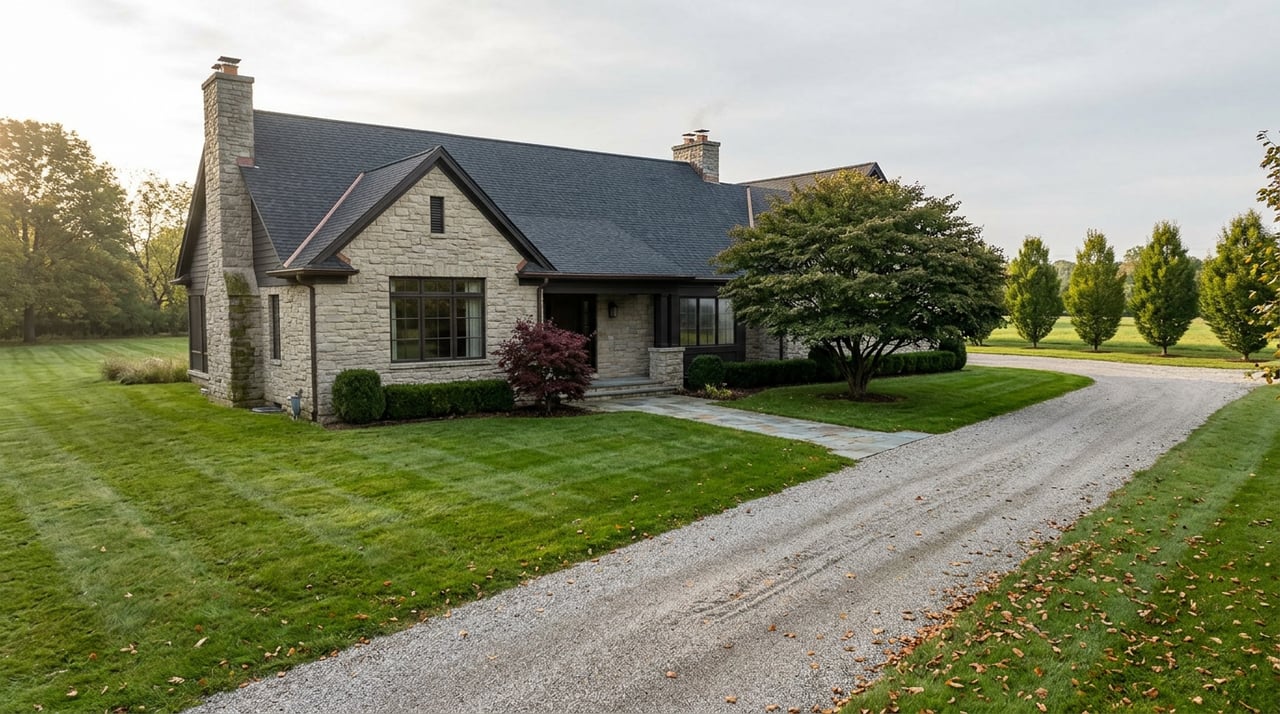
A buyer we'll call typical for this market falls in love with a stone farmhouse a few minutes outside Mount Joy's Main Street. The listing says Mount Joy. The school district says Manheim Central. And three days into the inspection period, the buyer's agent gets a question nobody warned them about: when was this septic tank last pumped, and does the township have the paperwork on file?
That question can stall a closing for weeks. It has nothing to do with the roof, the furnace, or the price. It has everything to do with which side of an invisible municipal line the house sits on.
The Line Nobody Reads the Fine Print On
Anyone who's shopped for a home near Mount Joy has probably noticed the tax bill and school district can shift depending on whether a listing sits inside the Borough or out in Rapho Township or Mount Joy Township. That much gets attention because it shows up on a closing disclosure in dollars.
What gets far less attention is that the same line also decides something more immediate: whether the home is on public sewer or on a septic system that the township legally requires the owner, and by extension the buyer who becomes the owner, to keep current on a pumping schedule. Mount Joy Borough Authority runs the public water and sewer system for the Borough itself, plus contiguous slices of Mount Joy Township, East Donegal Township, and Rapho Township. Everywhere else, homeowners are on their own on-lot system, and two separate townships enforce two separate compliance programs to make sure those systems don't fail quietly into the groundwater.
Three Systems, One Zip Code
A buyer comparing three listings that all say "Mount Joy" could be comparing three entirely different obligations.
| System | Who runs it | What a buyer inherits |
|---|---|---|
| Public sewer | Mount Joy Borough Authority (MJBA) | Standard tap fees and usage rates, no septic paperwork |
| On-lot septic (Rapho Township) | Rapho Township, under PA Act 537 | A rotating four-year pump-out and inspection cycle tied to a voting district |
| On-lot septic (Mount Joy Township) | Mount Joy Township, under PA Act 537 | A separately administered four-year pump-out requirement, with holding tanks pumped annually |
The two townships aren't coordinating on a shared calendar. Each runs its own Act 537 sewage management program, its own Sewage Enforcement Officer, and its own paperwork trail. A house two roads apart can be on completely different clocks.
The Four-Year Clock in Rapho Township
Rapho Township's version of this program is unusually specific, and it's worth understanding if the house under contract sits within its borders. The township divides on-lot systems into four groups by voting district and assigns each group a designated pump-out year on a four-year rotation. Every property with an on-lot disposal system, including older cesspools, has to be pumped and inspected during its assigned window, and the owner is responsible for sending the white copy of the pumper's report back to the township office.
Right now, District 2, which covers the Elm Tree area, is on the clock: systems there are due to be pumped and inspected by December 31, 2026, with the report filed by the same date. Miss that window and the property isn't just theoretically out of compliance. It's a documented gap that shows up the moment a title company or a buyer's agent asks the township for records, which happens routinely in this market.
That detail matters most to a buyer mid-contract on a Rapho Township home right now, in the back half of 2026. If the seller's system falls in District 2 and hasn't been pumped this cycle, that's a conversation to have before the inspection contingency expires, not after.
Mount Joy Township runs its own version of the same idea. Systems there are also on a mandatory four-year inspection and pump-out cycle under Act 537, with holding tanks pumped at least once a year regardless of the broader cycle. The rules are parallel to Rapho's, but the paperwork and the enforcement officer are different, which means a buyer can't assume what applied to one house down the road applies to the one they're actually buying.
Your Lender Doesn't Care What the Township Requires
Pennsylvania's Seller Disclosure Law already requires sellers to reveal known material defects, and the standard state disclosure form asks directly about the sewage system: its type, its age, the last pump date, and any history of problems. That's the baseline, and it applies everywhere in the state regardless of township ordinance.
Layered on top of that baseline is what the loan actually requires. FHA, VA, and USDA-backed loans routinely require a septic inspection and a well-water test as a condition of financing, independent of whatever the local township mandates. A conventional loan might not force the issue unless something looks wrong. A government-backed loan almost always will. So a buyer using an FHA or VA loan on a Rapho Township or Mount Joy Township property should plan for that inspection as a given, not a maybe, and budget accordingly. Septic industry guides published through 2026 put a typical point-of-sale inspection at roughly $300 to $600, with pumping itself running a similar range if the tank is overdue.
None of that is a reason to avoid a septic property. It's a reason to ask the question in week one of the contract instead of week four, when the answer can still change the negotiation instead of blowing up the timeline.
Why the Borough Isn't Extending Sewer Lines Anytime Soon
It's tempting to assume this is a temporary inconvenience, that public sewer will eventually reach further out and make the whole question moot. The record this year points the other way.
In May 2026, Rapho Township's supervisors denied two separate requests for water and sewer capacity allocation tied to the township's agreement with Mount Joy Borough Authority. One request, from ELA Group on behalf of a developer called Vistablock, sought capacity for a proposed 343-unit apartment complex called Chiques Crossing on Mount Joy Road. The other, from David Miller Associates on behalf of Oak Tree Development, sought capacity for a 90-unit project near Donegal Square. Both were turned down, and supervisors framed the underlying issue as a capacity problem: reserving allocation for projects that may sit unbuilt for years ties up a limited resource other properties might need sooner.
That's a signal worth taking seriously if you're evaluating a septic property outside the Borough. The municipal system that could someday absorb more of these homes isn't expanding to meet new demand right now. It's tightening. For existing homeowners on septic in Rapho or Mount Joy Township, that means the on-lot system isn't a placeholder until sewer arrives. It's the system, likely for the foreseeable future.
What This Looks Like During Your Inspection Period
For a buyer under contract, or about to be, on a home outside the Borough, the practical sequence looks like this:
- Confirm which municipality the property actually sits in. Mount Joy Borough, Mount Joy Township, and Rapho Township are three different governments, and a listing's mailing address doesn't always make the distinction obvious.
- If it's Rapho Township, ask which voting district the property falls in and whether its most recent pump-out report is on file with the township office.
- If it's Mount Joy Township, confirm the same with that township's Sewage Enforcement Officer, since the records and the officer are separate from Rapho's.
- Ask the seller directly for pumping receipts and the state disclosure form's sewage section, and compare the two.
- If the loan is FHA, VA, or USDA, build the septic and well tests into the inspection timeline from day one rather than adding them later.
- If a pump-out or report is overdue, treat it as a negotiation point on price or repair credit, not a reason to walk away from an otherwise sound house.
FAQ
Is a septic inspection legally required to buy a home in Rapho or Mount Joy Township? Pennsylvania doesn't mandate a statewide point-of-sale septic inspection. Both townships require septic systems to be pumped and inspected on their own four-year cycles regardless of a sale, and most government-backed loans require an inspection as a financing condition even when the township wouldn't otherwise force one at that moment.
Who typically pays for the septic inspection, buyer or seller? In most Pennsylvania transactions, the buyer covers the septic inspection as part of due diligence unless the purchase agreement says otherwise. If a municipality's mandatory pump-out happens to fall due during the sale, that cost is more often treated as a seller responsibility, since it's tied to the seller's ownership period.
What happens if a property's pump-out report was never filed with the township? It becomes a documentation gap the buyer's agent or title company will likely find when they contact the township, and it's worth resolving before closing rather than after. A missing report doesn't necessarily mean the system has failed, but it does mean there's no paper trail proving it hasn't.
If you're weighing a property near Mount Joy and want to know which side of these lines it actually falls on before you write an offer, The Steve Hammond Team can pull the municipal details, the septic history, and the financing implications together before they become a surprise mid-contract. Schedule a free consultation and get the full picture before you're the one holding the septic report.