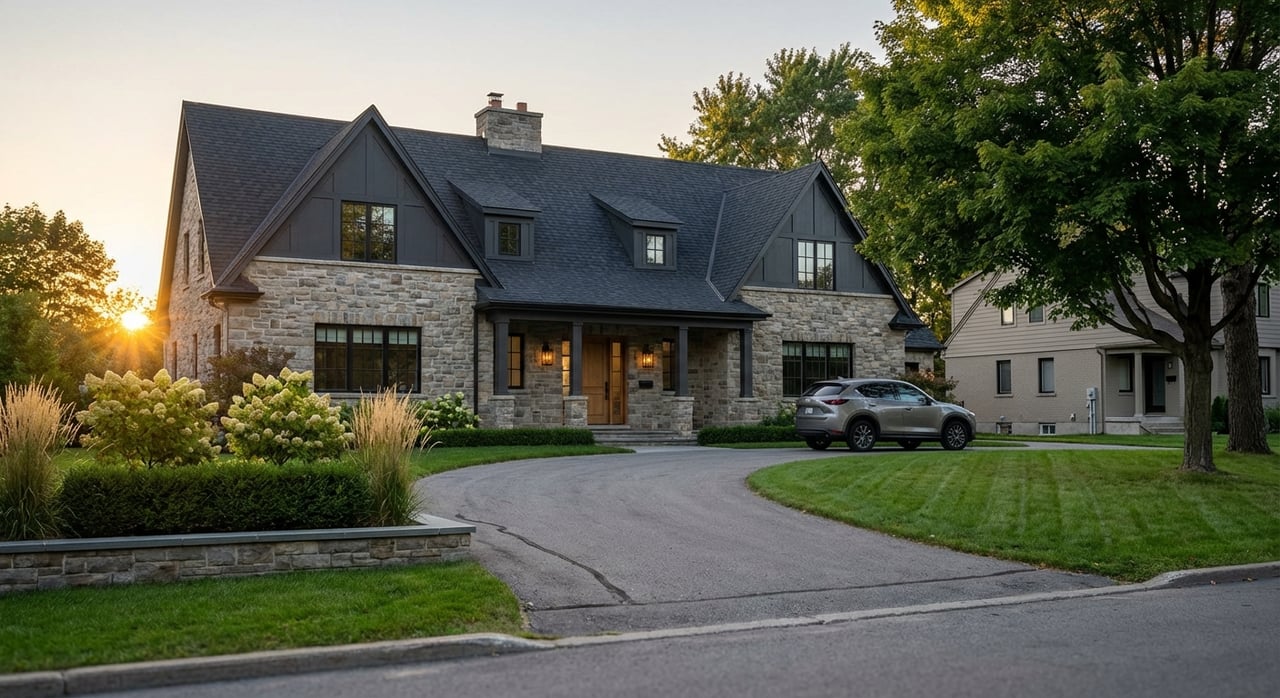
If you split your week between Lancaster, Harrisburg, or Hershey, Elizabethtown puts you in the middle without feeling stuck in the middle. You want predictable commute times, a home that fits your budget, and a neighborhood that matches your day-to-day life. In this guide, you’ll learn the housing options that work best for commuters, what you can expect to pay, and the tradeoffs to weigh before you buy or rent. Let’s dive in.
Why commuters choose Elizabethtown
Elizabethtown sits in northwestern Lancaster County, roughly equidistant from Lancaster and Harrisburg. You get a small-borough feel with quick access to major job centers along PA‑283 and PA‑230, plus an Amtrak stop right in town. The Elizabethtown borough overview highlights the location and local amenities that keep commute windows reasonable.
Quick context for planning:
- Geography: about 18 miles to Lancaster and about 18 miles to Harrisburg.
- Drive times in typical traffic: Lancaster about 20–30 minutes, Harrisburg about 25–35 minutes, Hershey about 15–25 minutes.
- Rail: Keystone Corridor service at ELT supports daily trips to Harrisburg and Lancaster with multiple weekday trains.
If you want a small-town base with multiple commute paths, Elizabethtown checks the right boxes.
Commute options at a glance
Driving: main routes and typical times
Most commuters use PA‑283 for Lancaster and Harrisburg, PA‑230 through town, and PA‑743 toward Hershey. Your actual time varies by route, peak hours, and your work address.
- Lancaster: about 20–30 minutes. See estimated distance and timing on this Elizabethtown to Lancaster reference.
- Harrisburg: about 25–35 minutes in normal conditions, as shown on this driving-time calculator.
- Hershey: often 15–25 minutes via PA‑743 or local roads.
Practical tip: build in a cushion around PA‑283 interchanges during morning and evening peaks, and note shift-change traffic if your employer runs multiple shifts.
Rail: Amtrak from ELT
Elizabethtown’s Amtrak station (ELT) sits on the Keystone Corridor with Keystone Service and the Pennsylvanian stopping in town. According to the Keystone Corridor service at ELT, weekday frequencies make rail commutes realistic. Typical ride times run around 20 minutes to Harrisburg and well under 30 minutes to Lancaster on many departures.
Rail perks and tradeoffs:
- Time reliability is a big win, since you avoid highway backups.
- You will plan around posted timetables and ticket costs.
- Station parking is available, but check the current details on the ELT page before you commit to a routine.
Bus: RRTA Route 18 to Lancaster
If you prefer a set bus schedule, Red Rose Transit Authority operates Route 18 between Lancaster and Elizabethtown, including the Amtrak station and downtown stops. You can review timing on the RRTA Route 18 schedule.
Housing options and tradeoffs
Elizabethtown’s housing stock ranges from historic borough homes to newer subdivisions and townhomes. Each option delivers a different commute, lifestyle, and cost profile.
Downtown and older-borough homes
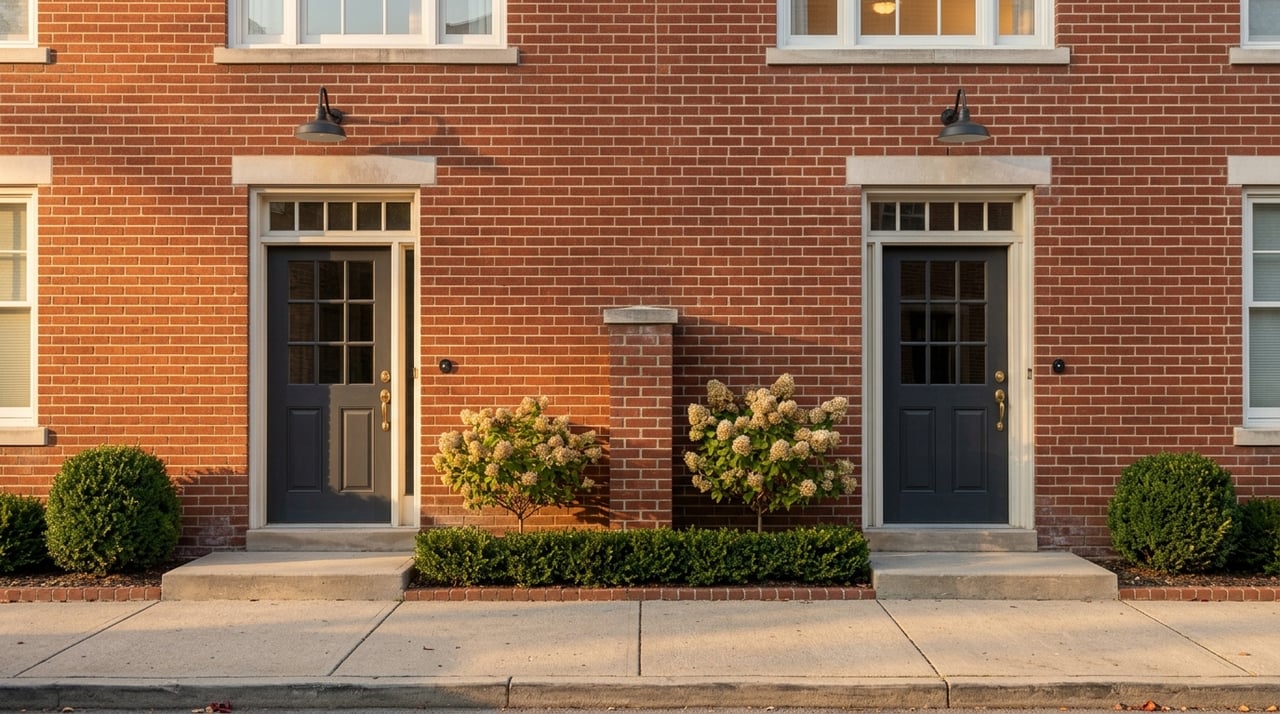
You’ll see smaller-lot single-family houses and row-style homes near the square and the college. These offer walkability to coffee, dining, and the station. Tradeoffs include tighter parking, limited yard size, and older systems that may need updates. If a walk-to-train lifestyle matters, this is where to focus.
Subdivision single-family homes
Outside the core, you’ll find mid-century and newer neighborhoods with 2–4 bedroom ranches, colonials, and Cape Cods. These tend to deliver larger lots, garages, and more interior space. The flip side is a longer walk to downtown or the station, so you will likely depend on driving to the ELT lot or straight to the highway.
Townhomes and small multi-family rentals
Low-maintenance townhomes and apartments suit commuters who want easy living or a shorter occupancy horizon. You trade private outdoor space for time savings and simpler upkeep. If you are testing a commute before buying, renting first in this category can be a smart bridge.
New construction communities
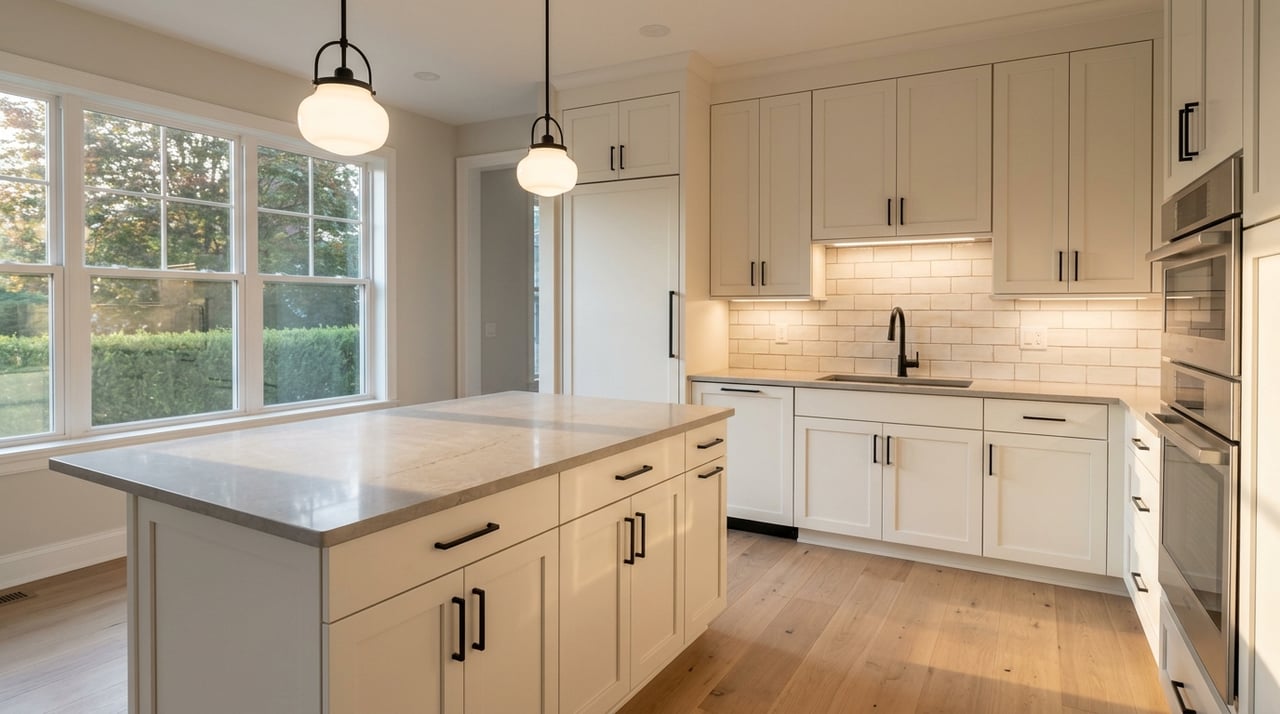
Newer single-family and townhouse developments appear in and around the service area. You get modern layouts and finishes, often with HOA-maintained common areas. Expect a price premium over older borough homes and, in some cases, a location that adds a few minutes to your drive.
Pro tip: verify whether a property sits in the borough or a neighboring township. Municipal lines can change lot sizes, utility services, and tax rates from one block to the next.
What you can expect to pay
Market measures from multiple providers place Elizabethtown’s typical home value in the low to mid $300Ks, with real inventory both below and above that point. Exact pricing depends on size, condition, lot, and location.
Approximate purchase bands based on recent activity:
- Entry options (under about $200K–$275K): smaller 1–2 bedroom homes, an occasional condo, or a fixer opportunity.
- Mainstream single-family (about $275K–$450K): the largest share of the market with common 2–4 bedroom homes.
- Move-up and newer construction (about $450K–$700K): larger lots, newer finishes, and planned communities.
- Upper tier (above about $700K): limited supply that appears occasionally.
Rental snapshot: many units fall around $1,300–$1,500 per month depending on size and exact location. Rental inventory is thinner than for-sale inventory, and turnover near the college can affect timing.
Speed of market: well-priced homes can move quickly. Have pre-approval and a clear plan if you are buying.
How Elizabethtown stacks up nearby
Choosing Elizabethtown often means accepting a modest commute in exchange for small-town living and multi-direction access. Here is how it compares directionally to nearby choices:
- Lancaster city: a wider range of neighborhoods and amenities. Living in the city can reduce a Lancaster commute to minutes, but density, parking, and certain carrying costs may differ from a small-borough setting.
- Hershey: generally higher housing costs on average. Great if you work in Hershey, but you usually pay more for comparable homes.
- Mount Joy and nearby townships: a strong alternative for PA‑283 access. Prices often cluster near Elizabethtown levels with a similar suburban feel.
- Harrisburg city: typically more affordable on average, though neighborhood conditions vary. If your work is downtown, living closer-in minimizes commute time.
Rule of thumb: if the shortest commute time is your top priority, living inside or next to your work city tends to win. If you want a balanced commute to several employment centers with train access and small-town amenities, Elizabethtown is a solid middle ground.
Taxes and recurring costs to plan for
Property taxes vary by municipality and school district. Small millage differences can change your annual cost. Review the exact tax bill for any property you consider and verify school district rates, such as the examples posted on the Donegal School District tax information page. Budget for insurance, utilities, HOA fees (if applicable), and commuting costs like gas, parking, or rail tickets.
Decision checklist for commuters
Use this quick checklist to confirm whether Elizabethtown fits your commute and your budget:
- Live-commute test: drive your exact route to work at your real start and end times across several days. If rail appeals, ride a Keystone trip from ELT during peak hours to measure door-to-desk time.
- Confirm transit fit: review the ELT timetable, station parking details, and bus timing on the RRTA Route 18 page. Build a weekly plan that matches your schedule and test it for a few days.
- Total cost comparison: sum mortgage, taxes, insurance, utilities, and commute costs. Compare that number with a scenario where you live closer to your workplace. Include property-specific tax rates from the correct municipality and school district.
- Schools and family needs: if schools factor into your choice, review district pages and snapshots like GreatSchools for Elizabethtown Area. Visit campuses and speak with local families to understand programs and logistics. Use only neutral, factual inputs when comparing.
- Neighborhood fit: decide between walkable downtown living and a larger-lot subdivision. Prioritize what matters most, like garage space, a yard, or walking to the station.
- Offer readiness: in a low-inventory market, have pre-approval ready, define must-haves, and be prepared to tour quickly when a match appears.
- Municipal rules: check utilities, permits, and any rental licensing if you plan to rent a room or unit. The Elizabethtown borough overview links to local services and contacts.
Ready to explore homes?
If Elizabethtown looks like the right commuter base, you do not have to navigate the tradeoffs alone. Our team pairs neighborhood knowledge with practical tools like concierge showings, instant valuation support, and private off-market matching through Marco Polo. When the right home appears, speed and clarity matter. Connect with Steve Hammond to map your commute, refine your target neighborhoods, and move with confidence.
FAQs
Is Amtrak reliable enough for a daily Elizabethtown commute?
- Keystone Corridor service at ELT offers multiple weekday trains with ride times around 20 minutes to Harrisburg and under 30 minutes to Lancaster on many runs; confirm current schedules and plan around posted times.
How long is the drive from Elizabethtown to Harrisburg during normal hours?
- Typical ranges run about 25–35 minutes, but your time varies with the route, peak traffic on PA‑283, and your exact work address.
What are common housing price ranges in Elizabethtown?
- Entry homes can appear under about $200K–$275K, mainstream single-family often lists around $275K–$450K, move-up and newer builds about $450K–$700K, and upper-tier homes occasionally above $700K.
Are rentals easy to find for commuters?
- Rental inventory is smaller than for-sale options, with many units around $1,300–$1,500 per month depending on size and location; start early if you want to test the commute before buying.
How do taxes vary around Elizabethtown?
- Taxes depend on the specific municipality and school district; verify the property’s combined county, municipal, and school rates and review examples like the Donegal School District postings before you finalize a budget.
Which areas are best if I want to walk to the train?
- Downtown borough blocks typically offer the most walkability to the station, but availability and condition vary by street; tour specific homes and confirm actual door-to-platform time during your commute window.