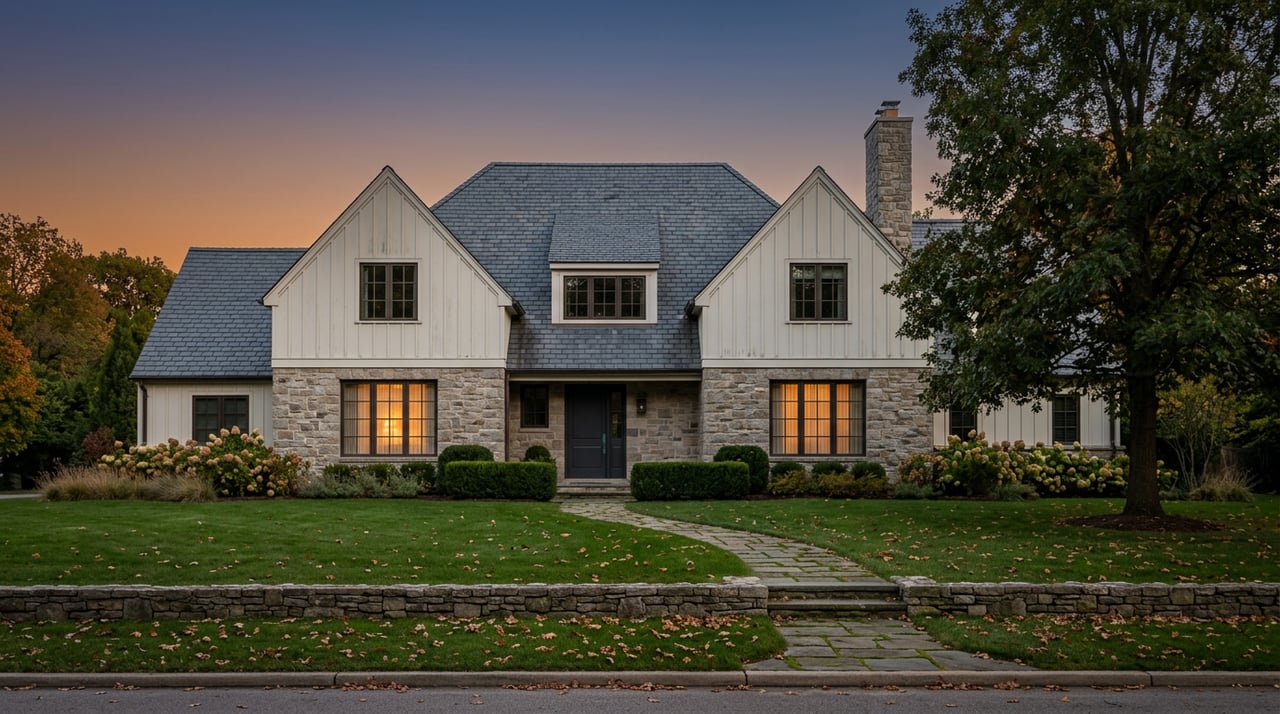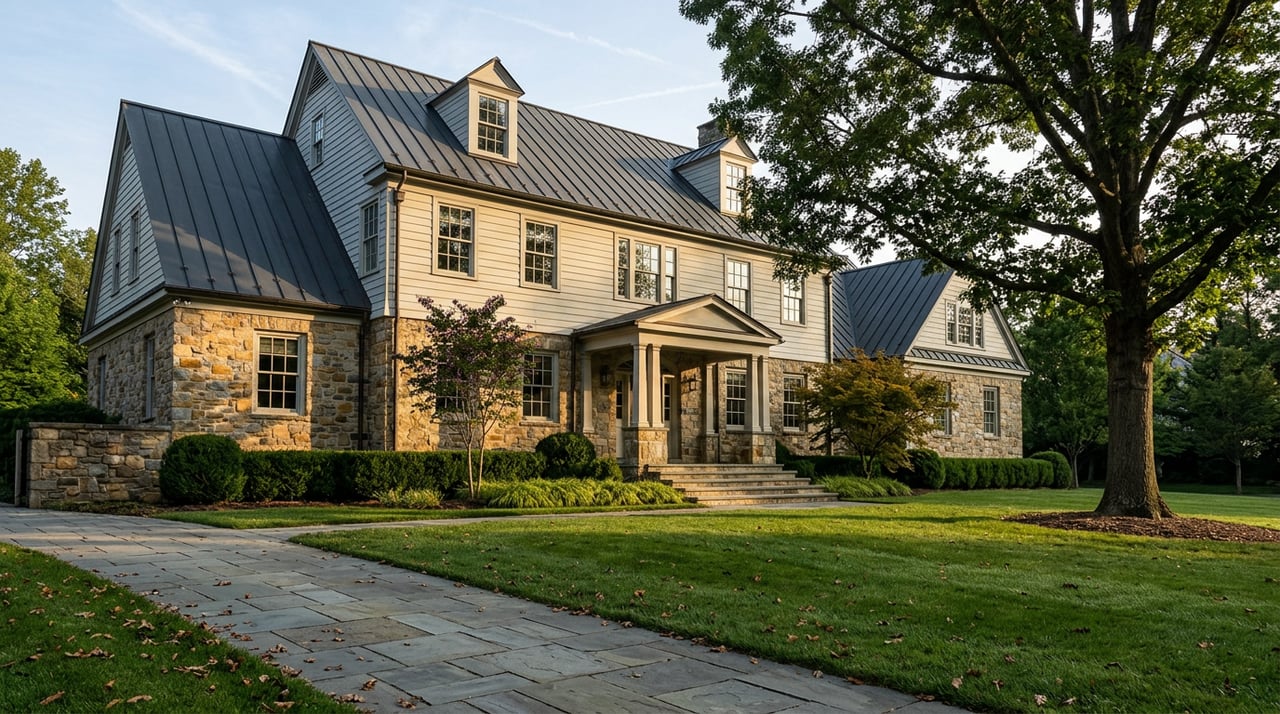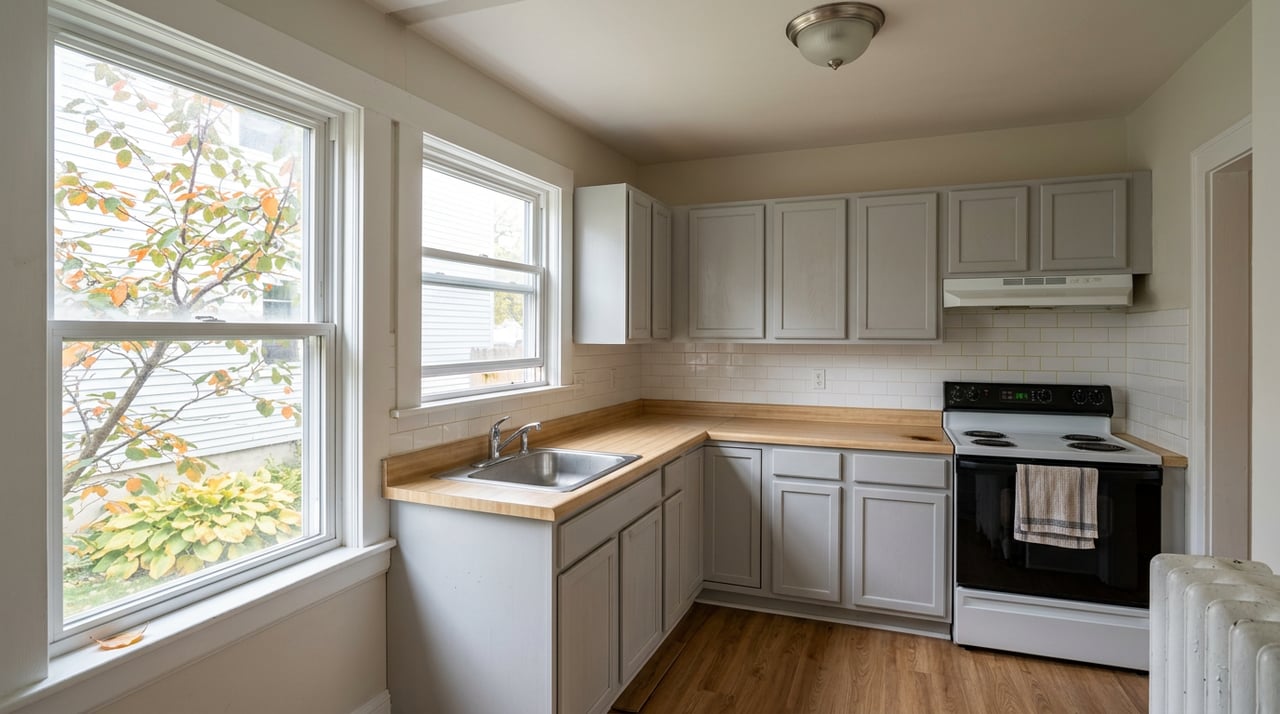
Picture two listings three blocks apart in Elizabethtown. One is a duplex, both units rented, solid numbers. The other is a triplex, same condition, same neighborhood, one more unit of rent coming in every month. Most buyers assume the triplex is the better deal on paper and the easier loan to get approved. It is usually neither. The extra unit does not just add rent. It adds a federal underwriting test that the duplex never has to pass.
That gap between what a third unit looks like and what it does to your financing is the part almost nobody explains before a buyer is already under contract. It matters more here than in a lot of markets, because Elizabethtown's own property tax load raises the bar that rental income has to clear.
The Test That Only Shows Up Once You Add a Third Unit
FHA loans allow buyers to purchase properties with up to four units using the same 3.5 percent down payment available on a single-family home. But 3- and 4-unit properties carry an extra requirement that duplexes are explicitly exempt from under HUD's own handbook: the self-sufficiency test.
The mechanics are specific. An FHA-approved appraiser estimates fair market rent for every unit in the building, including the one the buyer plans to occupy. That total gets reduced by 25 percent to account for vacancy and turnover. What is left has to equal or exceed the full monthly housing payment, principal, interest, taxes, insurance, and mortgage insurance combined. If it does not clear that bar, the loan does not close on that property, regardless of the buyer's own income or credit.
Duplexes skip this entirely. A two-unit property under FHA financing is underwritten more like a standard one-to-two-unit purchase, with no requirement that the rent roll cover the mortgage on its own.
This is the part that trips people up. A buyer comparing a duplex and a triplex naturally assumes the triplex is the stronger asset because it produces more rent. Often it is. But that same rent has to survive an appraiser's independent estimate and a 25 percent haircut before it counts toward qualifying, and the appraiser's number is not always the number the listing agent quoted. A four-unit property on North Market Street in Elizabethtown illustrates what a triplex or fourplex buyer wants to see walking in: all units already rented, a new rubber roof, replacement windows, and utilities split and metered separately per unit. That kind of documented, already-stabilized rent roll is exactly what makes the self-sufficiency math easier to clear, because there is less guesswork for the appraiser to do.
Here is the comparison in plain terms.
| Duplex (2 units) | Triplex or Fourplex (3-4 units) | |
|---|---|---|
| FHA self-sufficiency test required | No | Yes |
| Whose rent counts toward qualifying | Not applicable under this rule | All units, including the owner's, at appraiser's market rate |
| Vacancy factor applied | Not applicable | 25 percent minimum |
| Minimum down payment (FHA) | 3.5 percent | 3.5 percent, but loan can fail underwriting entirely if rents don't clear PITI |
| Conventional loan alternative | Available, no self-sufficiency test | Available, no self-sufficiency test, but typically requires a larger down payment |
That last row matters. A conventional loan sidesteps the self-sufficiency test altogether, which is why some buyers who fall in love with a triplex end up switching loan products mid-search rather than switching properties. It usually costs more up front in down payment, but it removes a variable that an appraiser controls and the buyer does not.
Why the Math Bites Harder in Elizabethtown Specifically
The self-sufficiency test compares rental income to PITI, and the T in that equation is not flat across Pennsylvania. Elizabethtown's median effective property tax rate runs at 2.37 percent, more than double the national median of 1.02 percent, with a median annual tax bill around $4,272 according to recent county-level tax data. That is a meaningfully heavier tax load baked into the mortgage payment before insurance or principal even enter the picture.
The practical effect is that a triplex or fourplex in Elizabethtown needs a higher rent roll to clear the same self-sufficiency threshold than an identical building would need in a lower-tax municipality. Two buildings with the same purchase price and the same rents can produce different underwriting outcomes purely because one carries a heavier tax bill. This is why running the numbers before writing an offer matters more here than the generic financing guides tend to suggest. A property that pencils out on a spreadsheet built around national averages can still fail the appraiser's actual test once Elizabethtown's tax rate is plugged in.
There is a second layer worth knowing before you go shopping. Pennsylvania's realty transfer tax adds roughly 2 percent to most closings statewide, split between state and local portions in most boroughs and townships. It is a flat cost regardless of unit count, but on a multi-unit purchase where the buyer is already stretching to clear a self-sufficiency threshold, it is one more line item worth budgeting for early rather than discovering at the settlement table.
If the Building Is Already Occupied, You Inherit More Than the Leases
Once financing clears, occupied multi-unit properties bring a second friction point that catches first-time investors off guard: the tenants and their security deposits do not reset at closing. Under Pennsylvania's Landlord and Tenant Act, when a rental property changes hands, the outgoing owner is expected to either return each tenant's deposit directly or transfer it, along with documentation, to the new owner. Once that transfer happens, the buyer steps into the same return obligations the seller had, deductions, the 30-day return window after move-out, and the itemized accounting requirement.
That means a buyer who does not confirm the deposit accounting before closing can end up on the hook for a dispute they never created. If a tenant later claims their deposit was never properly documented or returned, the new owner is the one holding that liability, not the seller who is long gone.
Before closing on an occupied duplex, triplex, or fourplex in Elizabethtown, it is worth requesting in writing:
- A copy of every active lease, including start dates and current rent for each unit
- A written accounting of each tenant's security deposit amount and where it is currently held
- Confirmation of how utilities are split, since separately metered units (like the North Market Street example) simplify future management considerably compared to a single shared meter
- Any outstanding maintenance requests or known issues tenants have raised with the current owner
None of this shows up on a listing sheet. It shows up in the closing documents, and by then it is much harder to negotiate.
The Takeaway for Buyers Comparing Unit Counts
The instinct to chase more units for more rent is not wrong, but it changes what kind of deal you are actually underwriting. A duplex is a simpler financing conversation. A triplex or fourplex is a stronger income property that also has to prove itself to an appraiser before a lender will fund it, and Elizabethtown's tax rate makes that proof harder to hit than it would be in a market with a lighter tax load. Buyers who understand this before they write an offer can structure their search, and their financing conversation, around it instead of finding out at underwriting.
FAQ
Does the self-sufficiency test apply if I'm using a conventional loan instead of FHA? No. The self-sufficiency test is specific to FHA financing on 3- and 4-unit properties. Conventional loans do not require it, though they typically require a larger down payment to offset the added risk lenders take on with multi-unit properties.
If I'm only considering a duplex, does any of this matter to me? The self-sufficiency test itself does not apply to duplexes. The security deposit transfer rules and Elizabethtown's property tax rate still matter for any occupied two-unit purchase, since both affect the closing process and your ongoing carrying costs regardless of unit count.
What if the seller already returned tenant deposits before I close? Ask for documentation either way. If deposits were returned directly to tenants before closing, get written confirmation of that so there is no ambiguity later about whether the buyer inherited an obligation that was already settled.
Multi-unit financing in Elizabethtown has more moving parts than a single-family purchase, and the difference between a duplex and a triplex on paper is bigger than most buyers expect once an appraiser and a lender get involved. If you are comparing properties and want to know how the numbers actually hold up before you write an offer, The Steve Hammond Team can walk through the financing math with you and help you find the right property, listed or not. Schedule a free consultation to get started.